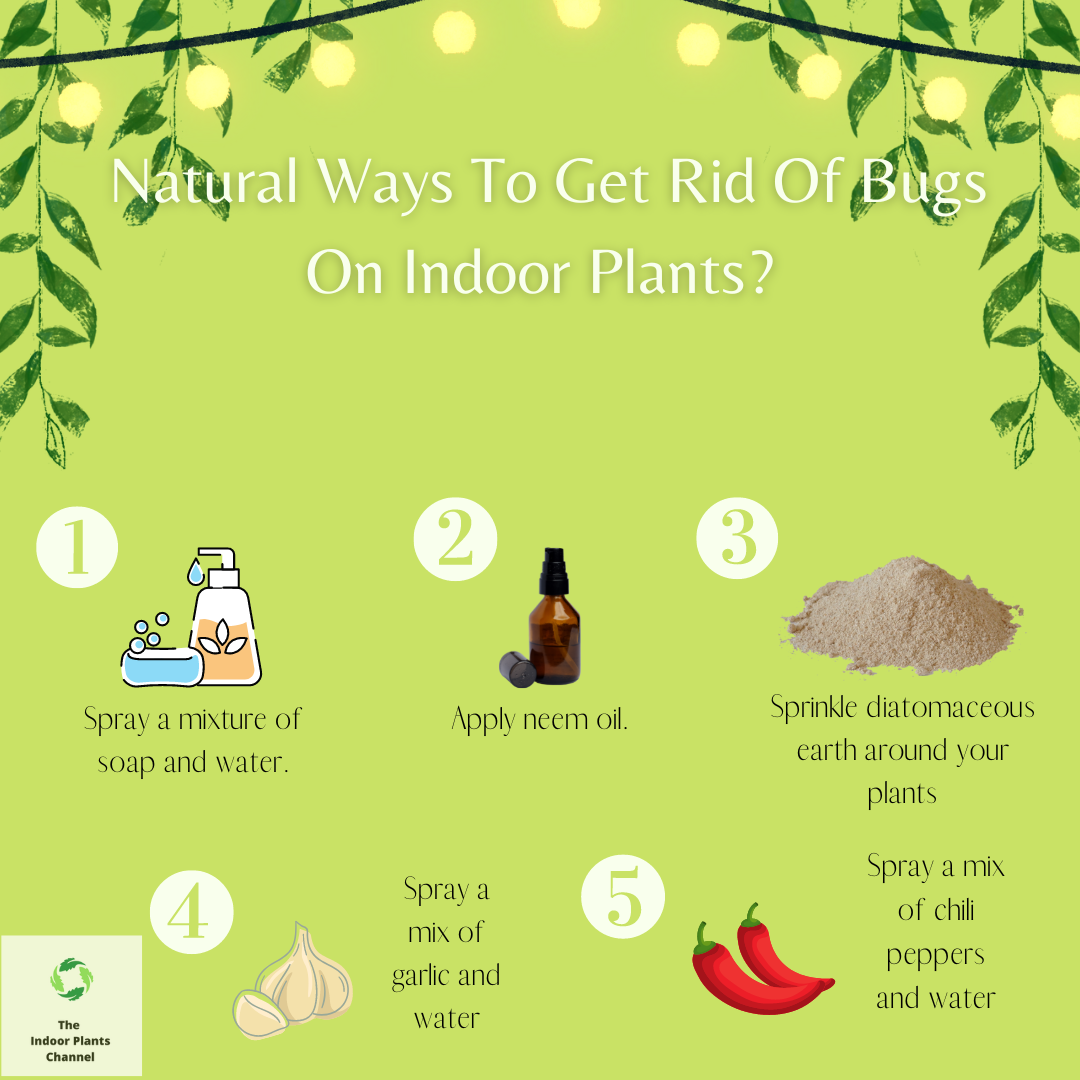
Few things are as disheartening as walking into your backyard garden, excited for a harvest, only to find your precious plants under attack. Tiny invaders munching on leaves, sucking the life out of stems, and generally wreaking havoc is a common nightmare. The good news is, you don't need harsh chemicals to reclaim your space and your peace of mind. There are plenty of effective and completely natural ways to get rid of bugs in the yard.
Why does controlling pests organically matter so much? Beyond the obvious (avoiding harmful chemicals), it's about creating a healthy ecosystem. A thriving garden depends on beneficial insects like ladybugs and pollinators, and using harsh pesticides can wipe them out alongside the pests. Organic methods focus on targeted solutions, preserving biodiversity, and ensuring that the fruits (and vegetables!) of your labor are safe and delicious for you and your family. Plus, a healthy plant is inherently more resistant to pests and diseases. And if you are growing indoors, these practices easily translate to natural pest control methods within the home. Let's start with an immediate action you can take: Inspect your plants regularly. Early detection is key! Simply walking through your garden daily and examining leaves (especially the undersides) can help you catch infestations early, making them much easier to manage.
Natural Strategies for Pest Control
One of the best strategies when dealing with insects in your garden is integrated pest management. This approach focuses on prevention and only using treatments as needed. It starts with encouraging strong, healthy plants through proper soil, watering, and sunlight. When plants are thriving, they're naturally more resistant to pests and diseases.
Site and Climate Considerations
Before you even plant, understand your microclimate. Most vegetables need at least six hours of direct sunlight daily. Insufficient light leads to weak growth, making plants more susceptible to infestations. Consider your region's typical temperature range and first frost date when choosing plants. For example, in Florida's intense heat, selecting heat-tolerant varieties and providing afternoon shade can be crucial. In cooler climates with short growing seasons, starting seeds indoors and using row covers to extend the season will give plants a needed boost. Whether you're growing in containers, raised beds, or directly in the ground, ensure proper drainage to prevent root rot, which weakens plants and invites pests. A general rule of thumb is that most vegetables thrive in soil with a p H between 6.0 and
7.0.
Soil Health and Nutrition
Healthy soil is the foundation of a healthy garden. Focus on building a soil rich in organic matter. This can be achieved by amending with compost, aged manure, or other organic materials. This will improve drainage, aeration, and water retention. The structure of your soil also matters. Clay soils can be heavy and compacted, while sandy soils may drain too quickly. Amending with organic matter helps to improve both.
When it comes to nutrition, consider a slow-release organic fertilizer or supplementing with liquid feeds as needed. A balanced N-P-K (nitrogen, phosphorus, potassium) ratio is generally a good starting point, such as 5-5-5 or 10-10-10, though the specific needs of your plants may vary. For instance, leafy greens benefit from higher nitrogen levels, while fruiting plants need more phosphorus and potassium. Remember to avoid over-fertilizing, which can also weaken plants and make them more attractive to pests.
Watering and Mulching
Proper watering is crucial for plant health. Deep, infrequent watering encourages roots to grow deep, making plants more resilient. Avoid frequent shallow watering, which can lead to fungal problems. Mulching around plants helps to retain moisture, suppress weeds, and regulate soil temperature. Organic mulches, such as straw or wood chips, also break down over time, adding nutrients to the soil. Inconsistent watering, especially with tomatoes, can lead to blossom end rot.
Natural Bug-Busting Methods
Now, let's dive into some specific ways to get rid of bugs in the yard naturally.
Handpicking: This is tedious but surprisingly effective for larger pests like tomato hornworms, squash bugs, and Japanese beetles. Simply pluck them off the plants and dispose of them (a bucket of soapy water works well).
Neem Oil: This is a broad-spectrum insecticide derived from the neem tree. It disrupts the life cycle of many insects, acting as both a repellent and an insecticide. Apply it in the evening to avoid harming beneficial insects.
Insecticidal Soap: This is a simple solution of soap and water that suffocates soft-bodied insects like aphids, whiteflies, and spider mites. Be sure to use a true insecticidal soap, as some dish soaps can harm plants.
Diatomaceous Earth (DE): This is a powder made from fossilized algae. It's harmless to humans and pets but deadly to insects with exoskeletons. Sprinkle it around plants or directly on the leaves. Make sure to use food-grade DE.
Beneficial Nematodes: These microscopic worms are natural parasites of many soil-dwelling insects, including grubs, cutworms, and flea larvae. They're an excellent choice for controlling pests in the soil.
Attract Beneficial Insects: Ladybugs, lacewings, praying mantises, and parasitic wasps are all natural predators of common garden pests. You can attract them by planting flowers that provide nectar and pollen, such as dill, fennel, and yarrow. Avoid using broad-spectrum pesticides, which can kill these beneficial insects.
Companion Planting: Certain plants can repel pests or attract beneficial insects. Marigolds, for instance, repel nematodes and other soil pests. Basil repels flies and mosquitoes, and is a great companion for tomatoes. Avoid planting fennel near dill, as they can cross-pollinate. Crop rotation is another important practice to help prevent pest buildup in your garden.
Homemade Sprays: You can make your own pest control sprays using simple ingredients. For example, a garlic spray can repel many insects. Simply crush a few cloves of garlic, steep them in water overnight, and strain the mixture before spraying it on your plants.
Addressing Common Problems
Sometimes, despite your best efforts, problems arise. Slow growth can indicate a nutrient deficiency, insufficient sunlight, or compacted soil. Yellowing leaves can be a sign of overwatering, underwatering, or a nutrient imbalance. Leggy seedlings often indicate insufficient light. Providing supplemental grow lights can help if you are starting seeds indoors. If your fruiting plants are not producing fruit, it could be a pollination issue. Hand-pollinating with a small brush can help.
Container Gardening for Pest Control
If you're short on space or dealing with poor soil, container gardening can be a great option. It allows you to control the soil and environment more easily, reducing the risk of soil-borne pests and diseases. Choose containers that are appropriately sized for the plants you're growing. A 5-gallon bucket is a good size for a single tomato plant or pepper plant. Ensure that the containers have drainage holes to prevent waterlogging. Fill the containers with a high-quality potting mix, not garden soil. Potting mix is lighter and provides better drainage. Container gardening also allows you to easily move plants that may need more or less sun.
Harvesting for the Best Flavor
Knowing when to harvest your crops is essential for maximizing flavor and yield. Tomatoes should be fully colored and slightly soft to the touch. Herbs are typically most flavorful before they flower. Leafy greens can be harvested at any stage, but they tend to be more tender when young. Harvesting your crops regularly also encourages continued production.
By using these natural methods, you can create a healthy and thriving garden without relying on harmful chemicals.
Frequently Asked Questions
How do I identify what bugs are eating my plants?
Careful observation is key! Look closely at the damage – are there holes in the leaves, are they being skeletonized, or are there sticky substances present? Use online resources or gardening books to compare the damage and identify the culprit. A magnifying glass can also be helpful.
Is it safe to use insecticidal soap on all plants?
While generally safe, it's best to test insecticidal soap on a small area of the plant first to ensure it doesn't cause any damage. Avoid using it on delicate plants or during the hottest part of the day.
How often should I apply neem oil?
Apply neem oil every 7-14 days, or as needed. Be sure to follow the instructions on the product label. Reapply after rain.
Can I make my own insecticidal soap?
Yes, but it's important to use a true soap, not a detergent. Mix 1-2 teaspoons of pure soap (like castile soap) with 1 quart of water. Test on a small area first.
What are some flowers that attract beneficial insects?
Many flowers in the daisy and carrot families attract beneficial insects. Some good choices include dill, fennel, yarrow, sunflowers, and zinnias.
How can I prevent pests from coming back next year?
Clean up your garden thoroughly in the fall, removing any dead plants or debris that could harbor pests. Rotate your crops each year to prevent pest buildup in the soil. Consider using row covers to protect vulnerable plants from pests.
Taking action against garden pests doesn’t have to be complicated or dangerous. Start small, with inspection and hand-picking, and gradually introduce other natural methods as needed. Now is the perfect time to walk through your yard, examine your plants, and take that first step towards a pest-free, bountiful garden.

Post a Comment