Imagine biting into a sun-ripened tomato, bursting with flavor, only to discover telltale signs of tiny teeth marks. Or envision your prized pepper plant, leaves riddled with holes, its potential harvest dwindling before your eyes. Protecting your outdoor plants from pesky bugs is crucial for a thriving garden and a delicious bounty, and understanding how to get rid of bugs on outdoor plants safely is the key to a healthy, productive harvest without harming beneficial insects, pets, or yourself.
Why does mastering organic garden pest control truly matter? Because it directly impacts the flavor and yield of your harvest. Bugs weaken plants, making them more susceptible to disease and less productive. Plus, who wants to eat produce sprayed with harsh chemicals? Learning natural remedies for garden pests ensures you're enjoying the fruits (and vegetables!) of your labor at their absolute best. And even if you don't have a sprawling outdoor space, these principles apply to container gardens on balconies and patios, extending the growing season and bringing fresh produce closer to home.
Before we dive in, here's a quick tip you can use today: Grab your garden hose and give your plants a good blast of water. Many small pests, like aphids, can be dislodged this way, knocking them off the plants and making it harder for them to return. This is a simple, effective first line of defense.
Identifying Common Garden Pests and Their Damage
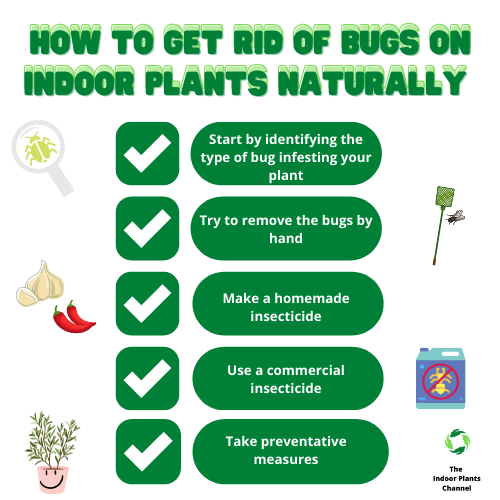
Identifying the culprit is the first step in effectively getting rid of bugs on outdoor plants safely. Different pests cause different types of damage, and recognizing these signs will help you choose the appropriate control methods.
Aphids, those tiny sap-suckers, often cluster on new growth, causing distorted leaves and a sticky residue called honeydew, which attracts ants. Cabbage worms, the larvae of white butterflies, are notorious for chewing large, irregular holes in the leaves of brassicas like cabbage, broccoli, and kale. Japanese beetles, with their metallic green bodies, skeletonize leaves, leaving behind a lacy network of veins. Squash bugs, true to their name, target squash plants, sucking sap and causing wilting and yellowing. Finally, spider mites, though technically not insects, are tiny and difficult to see, but their webbing and stippled leaf damage are telltale signs of their presence.
Recognizing Insect Damage
Pay close attention to your plants, inspecting them regularly, especially the undersides of leaves where many pests like to hide. Are there holes in the leaves? Are the leaves yellowing or wilting? Is there sticky residue or webbing present? These are all clues that can help you identify the pest and determine the best course of action to protect vegetable plants and other prized garden inhabitants.
Creating a Bug-Resistant Garden Environment
Prevention is often the best medicine when it comes to garden pests. By creating a healthy and thriving garden environment, you can make your plants less susceptible to attack and naturally deter many pests.
Sunlight is essential for healthy plant growth. Most vegetables require at least six hours of direct sunlight per day. Ensure your plants are getting enough light to thrive, as stressed plants are more vulnerable to pests. Soil health is also crucial. Amend your soil with plenty of organic matter, such as compost or well-rotted manure, to improve drainage and fertility. A healthy soil supports healthy plants that can better withstand pest infestations.
Consider companion planting. Certain plants, like basil and marigolds, can repel common garden pests. Planting these alongside your vegetables can help deter pests naturally. Avoid planting the same crops in the same location year after year. Crop rotation helps break the life cycle of pests and diseases that may be present in the soil.
Water deeply and less frequently, rather than shallowly and often. This encourages strong root growth and helps plants become more drought-tolerant, making them less attractive to pests. Use mulch around your plants to help retain moisture, suppress weeds, and regulate soil temperature. Mulch also provides a barrier between the soil and the plants, making it harder for some pests to reach their target.
Natural and Safe Methods for Getting Rid of Bugs
When pests do appear, there are several natural and safe methods you can use to control them without resorting to harsh chemicals.
Handpicking is a simple and effective way to remove larger pests like cabbage worms, Japanese beetles, and squash bugs. Simply pick them off the plants and drop them into a bucket of soapy water. Horticultural oil is a safe and effective insecticide that smothers many soft-bodied pests, such as aphids, spider mites, and whiteflies. Apply it according to the label instructions, avoiding application during the hottest part of the day. Insecticidal soap works similarly to horticultural oil, disrupting the cell membranes of soft-bodied insects. It’s a good choice for controlling aphids, spider mites, and whiteflies.
Diatomaceous earth (DE) is a natural powder made from fossilized diatoms. It’s harmless to humans and pets but deadly to insects with exoskeletons. Sprinkle it around your plants to control crawling pests like slugs, snails, and cutworms. Be sure to use food-grade DE, as pool-grade DE is not safe for use in the garden. Beneficial nematodes are microscopic worms that parasitize soil-dwelling pests like grubs and cutworms. They are a natural and effective way to control these pests without harming beneficial insects.
Using Natural Sprays
Homemade insecticidal sprays can be a safe and effective way to control many garden pests. A simple garlic spray can be made by blending garlic cloves with water, straining the mixture, and then diluting it with water. A chili pepper spray can be made similarly, using hot peppers instead of garlic. Both sprays can repel a variety of pests. Neem oil is a natural insecticide and fungicide that is effective against a wide range of pests and diseases. Apply it according to the label instructions.
Monitoring and Maintaining a Healthy Garden
Regular monitoring is essential for early detection of pest problems. Inspect your plants frequently, looking for signs of damage. The sooner you catch a pest infestation, the easier it will be to control.
Proper pruning helps improve air circulation and sunlight penetration, making plants less susceptible to pests and diseases. Remove any dead or diseased leaves and stems promptly. Keep your garden clean by removing weeds and debris that can harbor pests. Providing adequate spacing between plants allows for good air circulation, which helps prevent pests and diseases.
Attracting Beneficial Insects
Encourage beneficial insects to take up residence in your garden. Ladybugs, lacewings, and predatory wasps are all natural predators of common garden pests. Plant flowers like dill, fennel, and yarrow to attract these beneficial insects to your garden. Avoid using broad-spectrum insecticides that can harm beneficial insects.
FAQ: How to Get Rid of Bugs on Outdoor Plants Safely
What is the best way to identify bugs that are eating my plants?
Carefully inspect your plants, especially the undersides of leaves, for insects or signs of damage like holes, yellowing, or webbing. Use a magnifying glass if necessary. Online resources and local garden centers can also help with identification.
Is diatomaceous earth safe for pets?
Food-grade diatomaceous earth is generally safe for pets, but avoid letting them inhale large amounts of the dust. It can be irritating to their respiratory system.
How often should I apply insecticidal soap?
Apply insecticidal soap according to the label instructions, typically every 7-10 days, or as needed to control pests. Repeat applications may be necessary.
What are some plants that naturally repel pests?
Marigolds, basil, lavender, and nasturtiums are known to repel certain garden pests. Plant them strategically around your garden to help deter unwanted visitors.
Can I use dish soap as an insecticide?
A diluted solution of mild dish soap and water (about 1-2 teaspoons per gallon of water) can be used as an insecticide, but test it on a small area of the plant first to make sure it doesn't cause damage. Avoid using dish soaps with added degreasers or bleach.
What if natural methods aren't enough to control pests?
If natural methods aren't sufficient, consider using a selective insecticide that targets specific pests while minimizing harm to beneficial insects. Always follow the label instructions carefully.
The key to a thriving, bug-free garden is consistent observation, proactive prevention, and a willingness to embrace natural and safe control methods. Start today by taking a closer look at your plants, identifying any potential problems, and implementing some of the strategies we've discussed. You'll be amazed at the difference it makes in the health and productivity of your garden, and the deliciousness of your harvest. Go forth and get rid of those bugs safely!

Post a Comment