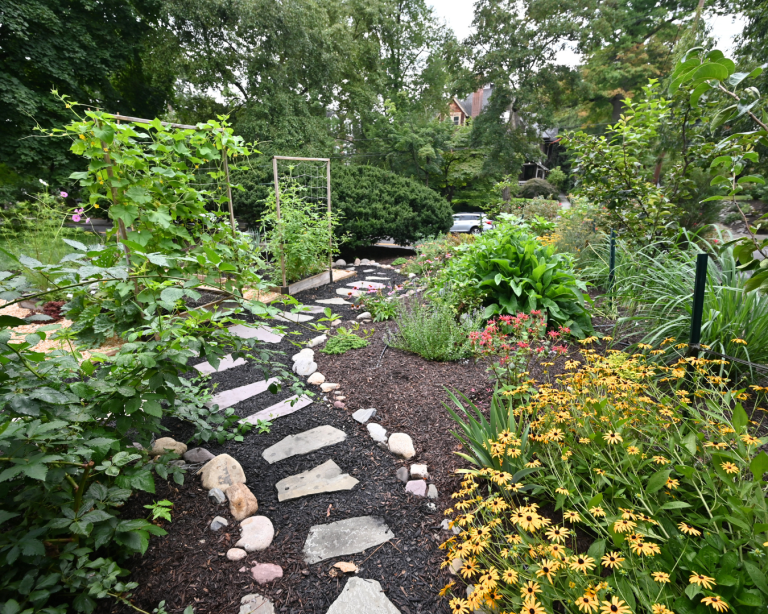
As the summer sun beats down, you stroll through your backyard garden, eager to harvest the fruits (and vegetables!) of your labor. But a sinking feeling washes over you as you spot nibbled leaves, disappearing tomatoes, and telltale slime trails. The unwelcome truth dawns: something is eating your plants in your backyard garden, and it's time to investigate!
Knowing what eats plants in a backyard garden is crucial, not just for a bountiful harvest but also for the overall health of your plants. Early detection and identification allow you to implement effective, often organic, control measures, preventing widespread damage and disease. Plus, who wants to bite into a wormy apple or a slug-slimed lettuce leaf? Even if you're growing ornamentals, unsightly damage detracts from the beauty of your garden. And let's not forget the satisfaction of outsmarting those garden pests! Today's actionable tip? Grab a flashlight and head out to your garden at night. Many garden pests are nocturnal and easier to spot when they are actively feeding. This nighttime patrol can reveal the culprits behind the daytime damage.
Identifying What Eats Plants in Your Backyard Garden
It's a detective's game! Figuring out exactly what eats plants in a backyard garden is the first step in taking control. The damage itself often provides clues. Large, irregular holes in leaves might suggest caterpillars or beetles, while tiny, stippled leaves could indicate spider mites. Look closely – sometimes you can spot the culprit right there in the act!
Careful observation is key. Look for droppings (frass), slime trails, webbing, or even the discarded skins of molting insects. Knowing what you’re dealing with makes all the difference in choosing the right solution.
Common Culprits: Insects
Insects are often the first suspects when it comes to what eats plants in a backyard garden. Here's a rundown of some common offenders: Caterpillars:These larvae of moths and butterflies can devour leaves at an astonishing rate. Look for their telltale droppings and the characteristic "chewed" appearance of leaves.
Aphids: These tiny, sap-sucking insects often cluster on new growth, causing distorted leaves and a sticky substance called honeydew. They come in various colors, including green, black, and yellow.
Beetles: Many types of beetles, from Japanese beetles to flea beetles, can feast on leaves, flowers, and fruits. Some chew large holes, while others create a "shot-hole" appearance.
Spider Mites: These tiny arachnids suck plant juices, causing stippled leaves that eventually turn yellow or brown. They thrive in hot, dry conditions. A fine webbing is often visible on heavily infested plants.
Beyond Insects: Other Garden Pests
It's not just insects you have to worry about! Several other creatures can wreak havoc in your garden: Slugs and Snails:These slimy mollusks are nocturnal feeders, leaving irregular holes in leaves and distinctive slime trails. They prefer moist, shady environments.
Deer: If you live in an area with deer, they can decimate your garden overnight, especially if you have tasty vegetables, flowers, and even some shrubs.
Rabbits: Rabbits tend to nibble on young seedlings and tender leaves, often leaving clean, angled cuts.
Voles and Gophers: These burrowing rodents can damage roots and bulbs, causing plants to wilt and die.
Protecting Your Plants: Organic Garden Pest Control
Once you've identified what's eating your plants, it's time to take action. Fortunately, there are many safe and effective organic garden pest control methods you can use.
Handpicking: For larger pests like caterpillars, beetles, and slugs, handpicking can be surprisingly effective, especially in smaller gardens. Simply remove the pests and drop them into a bucket of soapy water.
Row Covers: These lightweight fabrics create a physical barrier that prevents insects from reaching your plants. They're particularly useful for protecting young seedlings and vulnerable crops like brassicas.
Beneficial Insects: Attract natural predators like ladybugs, lacewings, and parasitic wasps to your garden. These beneficial insects will prey on aphids, spider mites, and other pests. Plant flowers like dill, fennel, and yarrow to attract them.
Neem Oil: This natural insecticide is derived from the neem tree. It disrupts the life cycle of many pests and can be used to control aphids, spider mites, caterpillars, and more. Be sure to apply it in the evening to avoid harming beneficial insects.
Diatomaceous Earth (DE): This powder is made from fossilized diatoms. It's harmless to humans and pets but deadly to insects with exoskeletons. Sprinkle it around your plants to control slugs, snails, and other crawling pests.
Companion Planting: Some plants can repel pests or attract beneficial insects. Marigolds, for example, are known to deter nematodes and other pests. Basil repels flies and mosquitoes, making it a good companion for tomatoes.
Maintaining a Healthy Garden: The Best Defense
A healthy, thriving garden is naturally more resistant to pests and diseases. Here are some key practices: Healthy Soil:Use well-draining soil amended with compost to provide your plants with the nutrients they need.
Proper Watering: Water deeply and less frequently, rather than shallowly and often. This encourages strong root growth and reduces the risk of fungal diseases. Avoid overhead watering, which can create a humid environment that pests love.
Sunlight: Ensure your plants receive the appropriate amount of sunlight. Most vegetables need at least six hours of direct sunlight per day.
Crop Rotation: Rotate your crops each year to prevent the buildup of soilborne pests and diseases. Avoid planting the same family of plants in the same location year after year. Especially important after tomatoes.
Weed Control: Weeds can harbor pests and diseases, so keep your garden weed-free. Mulching can help suppress weeds and conserve moisture.
Regional and Seasonal Considerations
The specific pests and diseases you encounter in your backyard garden will vary depending on your region and the time of year. For example, gardeners in Florida have to contend with intense heat and humidity, which can promote fungal diseases and attract pests like whiteflies and squash vine borers. Gardeners in short-season climates need to start seeds indoors to get a head start on the growing season and may need to use row covers or greenhouses to protect plants from frost. Here’s a quick look: Florida: Intense heat, humidity, whiteflies, squash vine borers, fungal diseases. Consider heat-tolerant varieties and consistent air circulation. Short Seasons: Start seeds indoors, use row covers, greenhouses, quick-maturing varieties, focus on cool-season crops during the hottest months. Dry Climates:Water deeply, use drought-tolerant varieties, mulch heavily, consider drip irrigation.
Frequently Asked Questions (FAQs)
How do I get rid of aphids on my tomato plants?
A strong blast of water from a hose can dislodge aphids. You can also spray with insecticidal soap or neem oil, following the product instructions carefully.
What's eating holes in my cabbage leaves?
Cabbage worms (caterpillars of cabbage white butterflies) are likely the culprit. Handpick them, use row covers to prevent butterflies from laying eggs, or spray with Bacillus thuringiensis (Bt), a natural bacteria that targets caterpillars.
How can I keep deer out of my garden?
Fencing is the most effective way to deter deer. Other options include deer repellents (which need to be reapplied regularly), motion-activated sprinklers, and planting deer-resistant plants.
Are ladybugs really beneficial for my garden?
Absolutely! Ladybugs are voracious predators of aphids and other soft-bodied insects. Attract them to your garden by planting flowers like dill, fennel, and yarrow.
What are the best ways to control slugs and snails?
Handpick them at night, use beer traps (bury a container filled with beer in the ground), or sprinkle diatomaceous earth around your plants. Copper tape around raised beds can also deter them.
My tomato leaves are turning yellow. What could be the problem?
Yellowing leaves can have several causes, including nutrient deficiencies, overwatering, underwatering, or disease. Check the soil moisture, ensure proper drainage, and consider a soil test to identify any nutrient deficiencies.
Now armed with the knowledge of what eats plants in a backyard garden and how to combat them, go forth and reclaim your garden! Start by inspecting your plants closely today, looking for early signs of pest damage. A vigilant eye and a proactive approach are your best defenses against unwanted garden guests.

Post a Comment