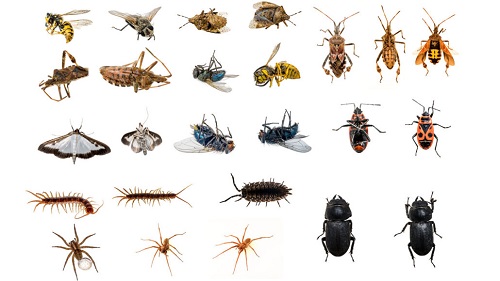
Imagine walking through your garden, eager to see the vibrant blooms you've nurtured, only to find petals riddled with holes and buds mysteriously vanishing. Discovering what insects eat flowers in the garden is frustrating, especially after all your hard work. It's a common problem for gardeners everywhere, from sprawling suburban plots to cozy balcony containers.
Understanding which insects are feasting on your precious blossoms is the first step to protecting your floral displays and, consequently, any fruits or vegetables that rely on those flowers for pollination. A healthy flower display isn't just aesthetically pleasing; it's critical for a thriving ecosystem in your garden, encouraging beneficial pollinators and ensuring a bountiful harvest. Protecting flowers from hungry insects prevents disease, encourages strong growth, and preserves the beauty of your outdoor space. Even indoor flowering plants aren’t immune!
Today, take a close look at your flowers. Check early in the morning or late in the evening when many pests are most active. Use a magnifying glass to inspect leaves and stems for tiny invaders.
Identifying the Culprits: What Insects Eat Flowers in the Garden?
It can be a real detective job to determine exactly what insects eat flowers in the garden. Some culprits are obvious, while others are masters of disguise, lurking beneath leaves or camouflaging themselves against petals. Here’s a breakdown of some of the most common offenders:
Aphids: These tiny, sap-sucking insects are notorious for their ability to quickly colonize plants. They often cluster on buds and new growth, weakening the plant and distorting blooms. Aphids secrete a sticky substance called honeydew, which can attract ants and promote the growth of sooty mold.
Japanese Beetles: These metallic green beetles are voracious eaters, skeletonizing leaves and devouring petals. They often attack in groups, causing significant damage in a short amount of time.
Thrips: These slender, fringed-winged insects are difficult to spot but can cause significant damage to flowers. They feed by rasping plant tissues, leaving behind silvery streaks and distorted blooms.
Caterpillars: Many different types of caterpillars enjoy munching on flower petals and leaves. Look for telltale signs of chewed foliage and droppings (frass) near affected plants.
Earwigs: While often considered beneficial insects, earwigs can sometimes feed on flower petals, particularly those of dahlias and zinnias.
Slugs and Snails: These nocturnal pests can leave large, irregular holes in petals and foliage. They are most active in damp conditions.
Weevils: These beetles can damage various plant parts, and some species target flower buds.
Recognizing the Damage: What Does Insect Damage Look Like?
Different insects leave different "signatures" on your plants. Aphids cause distorted growth, thrips leave silvery streaks, and Japanese beetles skeletonize leaves. Caterpillars leave ragged holes, while slugs and snails leave large, irregular damage. Learning to recognize these signs can help you identify the pest and take appropriate action.
Organic Solutions: Natural Ways to Protect Your Flowers
Fortunately, there are many organic and natural ways to protect your flowers from insect damage. These methods are often safer for beneficial insects, pollinators, and the environment.
Protecting Your Flowers: Organic Pest Control Strategies
Once you've identified the pests eating your flowers, it’s time to take action. Here's a range of organic garden pest control strategies to keep your blossoms safe.
Handpicking: For larger pests like Japanese beetles and caterpillars, handpicking can be an effective control method. Simply remove the insects from the plants and drop them into a bucket of soapy water. The early morning is the best time for this as many pests are less active.
Insecticidal Soap: Insecticidal soap is a safe and effective way to control aphids, thrips, and other soft-bodied insects. Be sure to follow the manufacturer's instructions and apply the soap directly to the pests. Avoid spraying in direct sunlight or during the hottest part of the day to prevent leaf burn.
Neem Oil: Neem oil is a broad-spectrum insecticide and fungicide derived from the neem tree. It can be used to control a variety of pests, including aphids, whiteflies, and spider mites. Apply neem oil according to the manufacturer's instructions, being mindful of the weather to avoid leaf burn.
Diatomaceous Earth (DE): Diatomaceous earth is a natural powder made from fossilized algae. It works by dehydrating insects as they crawl across it. Sprinkle DE around the base of your plants and on foliage to create a barrier against crawling pests. Make sure you are usingfood-gradediatomaceous earth, and reapply after rain.
Companion Planting: Some plants can repel or confuse pests, protecting your flowers. Marigolds, for example, are known to repel nematodes and other soil pests, while basil can deter aphids and whiteflies. Planting these companions near your flowers can create a natural defense against insect damage.
Row Covers: These lightweight fabric covers can be used to protect plants from a variety of pests. Simply drape the row cover over your plants and secure it to the ground with stakes or weights. Make sure the cover doesn't touch the flowers when they are blooming if pollination is needed!
Attract Beneficial Insects: Encourage beneficial insects like ladybugs, lacewings, and parasitic wasps to visit your garden. These insects prey on common garden pests, helping to keep their populations in check. Plant flowers that attract beneficial insects, such as dill, fennel, and yarrow.
Creating a Healthy Garden Ecosystem
A healthy garden ecosystem is the best defense against pests. Healthy plants are more resistant to insect damage, and a diverse garden ecosystem provides natural checks and balances to keep pest populations in control. Use compost or well-rotted manure to improve soil health, water plants deeply and regularly, and avoid using broad-spectrum pesticides that can harm beneficial insects.
Planting for Success: Choosing the Right Flowers & Environment
The key to a pest-resistant garden also lies in selecting the right flowers for your specific climate and growing conditions and ensuring they are planted in a supportive environment.
Sunlight: Most flowering plants need at least six hours of sunlight per day. Choose a location in your garden that receives plenty of sunlight to ensure healthy growth and abundant blooms. If growing indoors, consider supplementing with grow lights if natural light is insufficient.
Soil: Well-draining soil is essential for healthy plant growth. Amend heavy clay soil with compost or other organic matter to improve drainage. For containers, use a high-quality potting mix that is specifically formulated for flowers. Aim for a soil p H between 6.0 and
7.0 for most flowering plants.
Watering: Water plants deeply and regularly, especially during hot, dry weather. Avoid overwatering, which can lead to root rot and other problems. Mulch around plants to help retain moisture and suppress weeds. Consider using drip irrigation or soaker hoses to deliver water directly to the roots of your plants.
Fertilizing: Feed your flowering plants regularly with a balanced fertilizer. Look for a fertilizer with a higher phosphorus content to promote blooming. You can use slow-release granular fertilizers or liquid fertilizers that are applied every few weeks. Avoid over-fertilizing, which can lead to excessive foliage growth at the expense of flowers. I like a 10-20-10 or 15-30-15 fertilizer for flowers.
Choosing Pest-Resistant Varieties: Select flower varieties that are known for their resistance to pests. Some examples include marigolds, zinnias, and petunias.
Container Gardening: Growing flowers in containers can help to prevent pest problems, especially if you have issues with soil-borne pests. Choose containers that are large enough to accommodate the mature size of your plants. Five-gallon buckets are a good size for single plants. Ensure that the containers have adequate drainage holes.
Addressing Specific Problems: Yellowing Leaves, Slow Growth, and More
If your flowers are struggling, it's important to identify the underlying cause. Yellowing leaves can indicate a nutrient deficiency, overwatering, or a pest infestation. Slow growth can be caused by insufficient sunlight, poor soil, or a lack of fertilizer. Leggy seedlings are often the result of insufficient light. Addressing these issues promptly can help to keep your plants healthy and productive.
Seasonal Considerations: Adapting to Your Climate
Different climates present different challenges for flower growers. In hot, humid climates like Florida, fungal diseases can be a major problem. In regions with short growing seasons, starting seeds indoors is essential for getting a head start on the season. Gardeners in cold climates may need to protect tender plants from frost by using row covers or bringing them indoors.
FAQ: What Insects Eat Flowers in the Garden?
Here are some frequently asked questions about insects that eat flowers in the garden:
What is the best way to prevent insects from eating my flowers?
Prevention is key. Start by choosing pest-resistant varieties, maintaining healthy soil, and attracting beneficial insects. Regularly inspect your plants for signs of pests and take action promptly. Companion planting with herbs like basil and marigolds can also help deter pests.
Are there any specific flowers that are less attractive to insects?
Yes, some flowers are naturally more resistant to insect damage. Marigolds, zinnias, geraniums, and petunias are good choices. These flowers often have strong scents or textures that deter pests.
How can I tell if my flowers have a disease or if they are just being eaten by insects?
Insect damage typically involves visible signs of chewing, such as holes in petals or leaves. Diseases often cause discoloration, spots, or wilting. If you suspect a disease, consult a local gardening expert or your local extension office for diagnosis and treatment recommendations.
Is it safe to use chemical pesticides in my garden?
While chemical pesticides can be effective at controlling pests, they can also harm beneficial insects, pollinators, and even people and pets. Consider using organic pest control methods as a safer alternative.
How often should I apply organic pest control treatments?
The frequency of organic pest control treatments will depend on the specific product and the severity of the pest infestation. Always follow the manufacturer's instructions. In general, you may need to reapply treatments every few days or weeks, especially after rain.
Can I grow flowers indoors to avoid insect problems?
Growing flowers indoors can reduce the risk of pest infestations, but it doesn't eliminate it entirely. Pests can still enter your home on clothing, pets, or other plants. Regularly inspect your indoor flowers for signs of pests and take action promptly if you find any. Provide adequate light, humidity, and air circulation to keep your indoor plants healthy and resistant to pests.
Now that you're armed with knowledge about what insects eat flowers in the garden and how to combat them, go forth and cultivate a thriving, beautiful, and pest-free floral paradise. Take a walk through your garden tomorrow, armed with your newfound knowledge, and start implementing these strategies to protect your blooms. You'll be amazed at the difference it makes!

Post a Comment