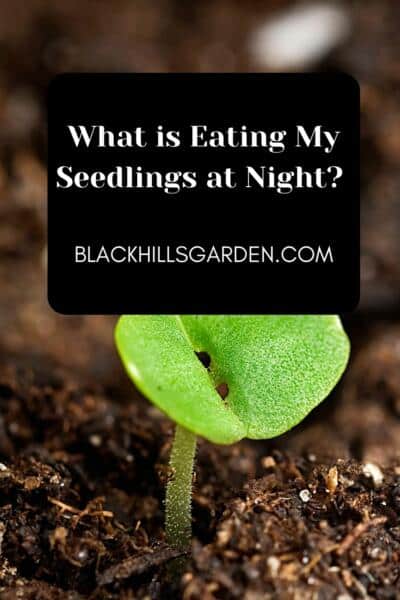
There’s nothing quite as disheartening as waking up after carefully nurturing your precious seedlings, only to find them chewed, clipped, or completely gone. The promise of fresh tomatoes, crisp lettuce, or vibrant flowers vanishes overnight, leaving you wondering: What is eating my seedlings at night? It’s a common problem for gardeners, but with a little detective work and preventative measures, you can reclaim your garden and protect your future harvest.
The culprit behind the nighttime destruction of your seedlings could be any number of garden pests, from slugs and snails to cutworms and even the occasional rodent. Identifying the specific pest is crucial because it allows you to target your control efforts effectively. Not only will you save your seedlings (and your sanity), but you'll also learn how to foster a healthier, more balanced garden ecosystem. Prevention is key, and understanding what attracts these pests in the first place is half the battle. Indoor seed starting offers a head start and some protection, but outdoor seedlings are particularly vulnerable.
Before diving deeper, here's a quick win: grab a flashlight and head out to your garden an hour or two after dark. You might just catch the culprits in the act, giving you a vital clue for identification and immediate action.
Identifying What Is Eating My Seedlings at Night
The first step to solving this mystery is to become a garden detective. Look closely at the damage itself. Is it clean cuts, ragged edges, or just missing leaves? Are there slime trails, droppings, or other telltale signs? The more information you gather, the easier it will be to pinpoint the perpetrator.
Here’s a breakdown of some common nighttime seedling predators and the evidence they leave behind: Slugs and Snails: These slimy mollusks are notorious for their love of tender seedlings. They leave irregular holes in leaves and stems and often leave a silvery slime trail in their wake. You'll often find them hiding under leaves or debris during the day. Cutworms: These caterpillar-like larvae curl around the stems of seedlings and chew them through at the soil line, hence the name. You might find a completely severed seedling lying on the ground. Earwigs: These nocturnal insects can cause irregular damage to leaves, often leaving small holes. They are attracted to damp environments and can be found hiding in dark, sheltered places. Rodents (Mice, Rats, Voles): These creatures can eat entire seedlings, including roots and stems. They may also leave droppings or dig around the base of the plants. Voles, in particular, can cause extensive damage to roots underground. Rabbits and Deer:While more likely to target larger plants, rabbits and deer will happily munch on seedlings if given the opportunity. Look for clean, angled cuts on leaves and stems. Deer are less likely to target seedlings than larger plants, but if you have a large number of seedlings disappear overnight, deer could be the issue.
How do I know if slugs are eating my seedlings?
Slugs are a major concern for any gardener. To confirm slug damage, check your plants and the surrounding soil early in the morning or late at night with a flashlight. Look for shiny slime trails on leaves and the soil. The damage will appear as irregular holes in leaves. If you find trails and holes, slugs are almost certainly the problem.
What does cutworm damage look like?
Cutworm damage is distinctive. Seedlings are typically clipped off at or just below the soil line. You may find the severed seedling lying nearby, but often the cutworm will move on to another victim.
Protecting Your Seedlings from Nighttime Pests
Once you've identified the likely culprits, it's time to implement some protective measures. A combination of strategies is usually the most effective approach.
Barriers: Physical barriers are a great way to prevent pests from reaching your seedlings. You can use cutworm collars made from cardboard, plastic cups, or aluminum foil to protect the stems of individual plants. For larger areas, consider using row covers made of lightweight fabric to completely enclose your seedlings. Handpicking: This might sound tedious, but it can be very effective, especially for slugs, snails, and cutworms. Go out at night with a flashlight and collect any pests you find. Dispose of them in a bucket of soapy water. Traps: Slug traps are readily available at garden centers and can be baited with beer or a yeast mixture. You can also make your own traps by burying containers filled with beer in the ground, leaving the rim slightly above soil level. Diatomaceous Earth (DE): This natural powder is made from fossilized algae and is very effective against slugs, snails, and cutworms. Sprinkle it around the base of your plants, reapplying after rain. Be sure to use food-grade DE. Nematodes: Beneficial nematodes are microscopic worms that parasitize and kill certain pests, including cutworms. They can be applied to the soil as a drench. Encourage Natural Predators: Birds, frogs, toads, and certain insects are natural predators of many garden pests. Create a welcoming habitat for these beneficial creatures by providing water sources, shelter, and avoiding the use of broad-spectrum pesticides. Clean Garden: Remove garden debris, weeds, and fallen leaves, as these provide hiding places for pests. Keep the area around your seedlings clean and tidy. Elevated Beds: Using raised beds can help deter some ground-dwelling pests from reaching your seedlings. Make sure the sides of the beds are high enough to prevent pests from climbing over. Copper Tape:Applying copper tape around the rims of pots or raised beds can create a barrier that slugs and snails are reluctant to cross. The copper reacts with their slime, giving them a mild electric shock.
Soil, Light, and Water: The Foundation of Healthy Seedlings
Even with the best pest control measures, your seedlings won't thrive if their basic needs aren't met. Healthy seedlings are more resistant to pests and diseases.
Soil: Use a well-draining potting mix specifically designed for seedlings. Avoid using garden soil, as it can be too heavy and may contain pests or diseases. Ensure a slightly acidic p H level, around 6.0 to
6.8, for optimal nutrient uptake. Light: Seedlings need plenty of light to grow strong and healthy. If you're starting seeds indoors, provide at least 12-16 hours of light per day using grow lights. Place the lights a few inches above the seedlings. If using a sunny window, rotate the seedlings regularly to prevent them from becoming leggy. Water: Water seedlings regularly, but avoid overwatering. The soil should be moist but not soggy. Allow the top inch of soil to dry out between waterings. Use a gentle watering can or spray bottle to avoid disturbing the seedlings. Fertilizer:Once your seedlings have developed their first set of true leaves, start feeding them with a diluted liquid fertilizer. Choose a fertilizer that is balanced or slightly higher in phosphorus to promote root development.
Regional and Seasonal Considerations
The types of pests that are eating your seedlings at night, and the best ways to control them, can vary depending on your region and the time of year.
Florida: In the hot, humid climate of Florida, slugs, snails, and cutworms are active year-round. Be vigilant about monitoring your seedlings and take preventative measures early on. Short Seasons: In regions with short growing seasons, it's especially important to protect your seedlings from pests to ensure a successful harvest. Consider starting seeds indoors and using row covers to extend the growing season. Frost Timing: Pay close attention to frost warnings and protect your seedlings from frost damage. Frost-damaged seedlings are more susceptible to pests and diseases. Greenhouse: If you have a greenhouse, use it to start your seeds and protect them from pests. A greenhouse can also help extend the growing season.
Companion Planting for Seedling Protection
Strategically planting certain herbs and flowers alongside your seedlings can help deter pests. Marigolds, for example, are known to repel nematodes and other soil-borne pests. Basil can help repel aphids and other insects. Avoid planting members of the same plant family together, as this can increase the risk of pests and diseases. Crop rotation after growing tomatoes is important to prevent soil-borne diseases from building up.
Organic Garden Pest Control: Prioritizing Natural Solutions
When dealing with pests eating your seedlings, prioritize organic and natural control methods. These methods are safer for you, your plants, and the environment. Avoid using broad-spectrum pesticides, as they can kill beneficial insects as well as pests.
FAQ: Protecting Your Seedlings
Why are my seedlings disappearing overnight?
Several pests could be responsible, including slugs, snails, cutworms, and even rodents. The key is to inspect the damage closely and look for clues like slime trails, clipped stems, or missing leaves.
How can I stop slugs from eating my seedlings?
Try using slug traps baited with beer, diatomaceous earth sprinkled around the base of your plants, or copper tape around pots or raised beds.
What are cutworm collars, and how do they work?
Cutworm collars are physical barriers that prevent cutworms from reaching the stems of seedlings. They can be made from cardboard, plastic cups, or aluminum foil and should be placed around the base of the plant, pressing slightly into the soil.
Are there any natural remedies for garden pests?
Yes! Encourage natural predators like birds and frogs, use diatomaceous earth, apply beneficial nematodes, and practice companion planting with pest-repelling herbs and flowers.
What if my seedlings are indoors? Can pests still be a problem?
While less common, pests can still find their way indoors. Inspect your seedlings regularly for aphids, spider mites, or fungus gnats. Isolate any infested plants and treat them with insecticidal soap or neem oil.
How important is watering when trying to protect against pests?
Proper watering is crucial. Overwatering creates a favorable environment for slugs, snails, and fungal diseases, while underwatering stresses seedlings, making them more vulnerable. Water deeply but infrequently, allowing the soil to dry out slightly between waterings.
Don't let nighttime pests ruin your gardening dreams. By understanding what is eating your seedlings at night, implementing protective measures, and providing your plants with the care they need, you can create a thriving garden and enjoy a bountiful harvest. Start by implementing one or two of the strategies above, and adjust your approach as needed. With a little vigilance and perseverance, you can win the battle against nighttime seedling predators.

Post a Comment