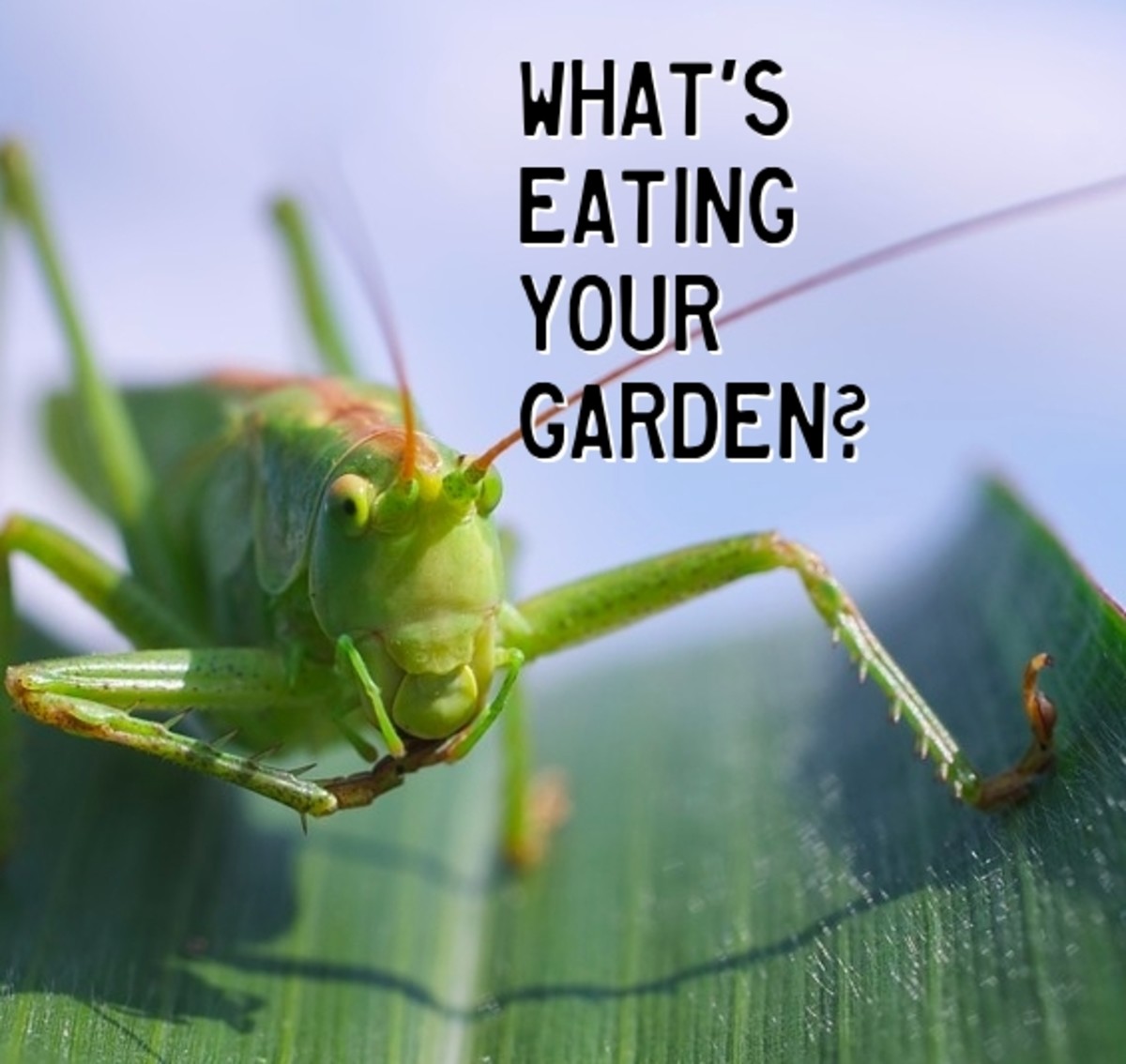
Is something nibbling away at your gardening dreams, one leaf at a time? Finding mysterious holes, skeletonized foliage, or just plain missing leaves on your precious plants is a frustrating experience for any gardener. It’s like waking up to find someone’s been snacking from your carefully prepared feast! Don’t despair; with a little detective work and some simple strategies, you can identify the culprits and protect your harvest.
The health and productivity of your garden hinge on identifying what’s eating your garden leaves. Not only does leaf damage diminish your yield, but it also weakens your plants, making them more susceptible to disease and less able to withstand environmental stress. Plus, nobody wants to eat veggies that have been shared with uninvited guests! Keeping tabs on your plants indoors and out is the key to healthy, bountiful harvests.
Here’s a quick win: grab a flashlight and head out to your garden at night. Many pests are nocturnal, and you might just catch them in the act of munching on your plants!
What’s Eating My Garden Leaves? Identifying the Culprits
It's the gardener's eternal question: What’s eating my garden leaves? Before you can implement a solution, you need to identify the offender. The type of damage and the time of year can provide valuable clues. Are the holes perfectly round, jagged, or are entire sections of the leaf missing? Is it happening to all your plants, or just a specific type? Let’s explore some of the most common suspects.
First, consider the obvious: insects. Caterpillars, slugs, snails, beetles, and aphids are among the most frequent offenders. You might see them directly on the leaves, or you might only find evidence of their presence, such as droppings or slime trails. Larger herbivores like deer and rabbits can also be significant leaf-eaters, especially in rural or suburban areas.
Next, think about the environmental factors. Fungal diseases can sometimes mimic insect damage, causing spots or lesions that lead to leaf deterioration. Nutrient deficiencies can also cause discoloration and weakened leaves that are more susceptible to pest attacks.
Common Insect Pests and Their Damage
Caterpillars: These ravenous larvae chew large, irregular holes in leaves and can quickly defoliate entire plants. Look for frass (caterpillar poop) near the damage. Slugs and Snails: They leave irregular holes and silvery slime trails. They prefer moist, shady areas. Beetles: Many beetles, like Japanese beetles and flea beetles, chew on leaves, leaving behind lacy or shot-hole patterns. Aphids: These tiny sap-sucking insects cause distorted, yellowing leaves. They often cluster on new growth.
Signs of Larger Animal Damage
Deer and rabbits tend to leave behind more obvious signs. Deer may eat entire leaves or stems, leaving ragged edges. Rabbits tend to make clean cuts and may also eat flowers and young shoots. Fencing is often the best deterrent for these larger garden visitors.
Ruling Out Disease and Deficiencies
If you don’t see any signs of insects or larger animals, consider the possibility of disease or nutrient deficiency. Look for spots, discoloration, or wilting leaves. Soil testing can help you identify any nutrient imbalances.
Organic Garden Pest Control: Natural and Safe Solutions
Once you’ve identified what’s eating your garden leaves, it’s time to take action. Fortunately, there are many safe and effective organic pest control methods you can use to protect your plants.
First, focus on prevention. Healthy plants are more resistant to pests and diseases. Ensure your plants have adequate sunlight, well-drained soil, and proper nutrition. Use compost and organic fertilizers to enrich the soil.
Companion planting can also be an effective deterrent. Marigolds, basil, and garlic are known to repel certain pests. Planting these alongside your vulnerable vegetables can help protect them. For example, basil is often planted near tomatoes to deter tomato hornworms.
When pests do appear, consider using natural remedies. Insecticidal soap, neem oil, and horticultural oil are effective against many common garden pests. These products are relatively safe for beneficial insects and the environment when used as directed. Diatomaceous earth (DE) is another excellent option for controlling slugs, snails, and crawling insects. Sprinkle it around your plants, but reapply after rain.
For larger pests, physical barriers may be necessary. Fencing can keep out deer and rabbits, while netting can protect plants from birds and insects. Row covers are lightweight fabrics that can be placed over plants to prevent pests from accessing them.
Creating a Healthy Garden Ecosystem
A thriving garden isn't just about eliminating pests; it's about fostering a balanced ecosystem where beneficial insects can thrive and help keep harmful pests in check.
Encourage beneficial insects like ladybugs, lacewings, and parasitic wasps by planting flowers that provide nectar and pollen, such as dill, fennel, and sunflowers. These insects are natural predators of many common garden pests. Providing a shallow dish of water with pebbles for insects to land on can also attract beneficials to your garden.
Avoid using broad-spectrum pesticides, which can kill beneficial insects along with the pests you’re trying to control. Instead, opt for targeted treatments that minimize harm to non-target species. Rotate your crops each year to disrupt pest cycles and prevent soilborne diseases from building up.
Mulching is a crucial step. It helps retain moisture in the soil, suppresses weeds, and provides habitat for beneficial insects and microorganisms. Organic mulches like straw, wood chips, and shredded leaves also add nutrients to the soil as they decompose.
Attracting Beneficial Insects
Planting specific flowers (mentioned above) can attract beneficial insects. Also, avoid disturbing ground nesting insects.
Crop Rotation Strategies
Move plants to different beds each year to reduce pest and disease build-up. A simple example is rotating tomatoes (which are heavy feeders) with legumes (which fix nitrogen in the soil).
The Importance of Soil Health
Healthy soil is the foundation of a healthy garden. Use compost, organic matter, and avoid compaction.
Troubleshooting Common Leaf Damage Issues
Even with the best preventative measures, problems can still arise. Here's how to troubleshoot some common leaf damage issues: Holes in leaves with no visible pests: This could be the work of nocturnal feeders like slugs, snails, or cutworms. Check your plants at night to identify the culprit and take appropriate action. Yellowing leaves: This can be a sign of nutrient deficiency, overwatering, or disease. Test your soil, adjust your watering practices, and inspect your plants for signs of disease. Distorted leaves: Aphids or other sap-sucking insects are likely to blame. Treat with insecticidal soap or neem oil. Lacy or skeletonized leaves: This is often caused by beetles or other chewing insects. Handpick the pests or use a targeted insecticide.
Remember to monitor your plants regularly and address problems promptly. Early detection and intervention can prevent small issues from becoming major infestations.
Regional and Seasonal Considerations
The best approach to protecting your garden will depend on your local climate and the time of year. In warm climates like Florida, pests can be active year-round, so vigilance is essential. In colder regions with short growing seasons, it's important to start seedlings indoors and protect them from frost.
Pay attention to the specific pests and diseases that are prevalent in your area. Contact your local agricultural extension office for information on common garden problems and recommended solutions.
Consider using season extension techniques like row covers and cold frames to protect your plants from frost and extend your growing season. These can also provide a physical barrier against pests.
Container Gardening as a Solution
If ground pests are a major issue, consider container gardening. This can help to isolate your plants and make it easier to control the environment. Choose containers with good drainage and use a high-quality potting mix.
The Role of Sunlight and Temperature
Ensure your plants are getting adequate sunlight and are protected from extreme temperatures. Different plants have different requirements, so research the specific needs of your crops.
Watering Strategies to Prevent Problems
Proper watering is essential for plant health. Avoid overwatering, which can lead to root rot and other problems. Water deeply and less frequently, and mulch around your plants to retain moisture.
FAQ: What’s Eating My Garden Leaves?
What are some natural ways to deter slugs and snails?
Copper tape around plant pots, diatomaceous earth, beer traps, and handpicking at night are all effective natural methods for controlling slugs and snails.
How do I identify and treat an aphid infestation?
Aphids are tiny, pear-shaped insects that cluster on new growth. They can be green, black, or other colors. Treat with insecticidal soap, neem oil, or a strong blast of water from a hose.
What can I do to protect my plants from deer and rabbits?
Fencing is the most effective deterrent. You can also use deer repellent sprays or plant deer-resistant varieties. For rabbits, consider using raised beds or netting.
Are there any plants that naturally repel pests?
Yes! Marigolds, basil, garlic, and lavender are all known to repel certain pests. Planting these alongside your vulnerable vegetables can help protect them.
How often should I apply neem oil to my plants?
Apply neem oil every 7-14 days, or as needed, to control pests. Be sure to follow the instructions on the product label and avoid applying in direct sunlight or when temperatures are high.
What are the benefits of companion planting?
Companion planting can help to deter pests, attract beneficial insects, improve pollination, and enhance the growth of your vegetables. Certain plant combinations can also improve soil health and nutrient uptake.
Take a walk through your garden today, armed with your newfound knowledge, and start identifying any potential threats. With a little vigilance and the right strategies, you can reclaim your leafy bounty and enjoy a thriving, pest-free garden!

Post a Comment