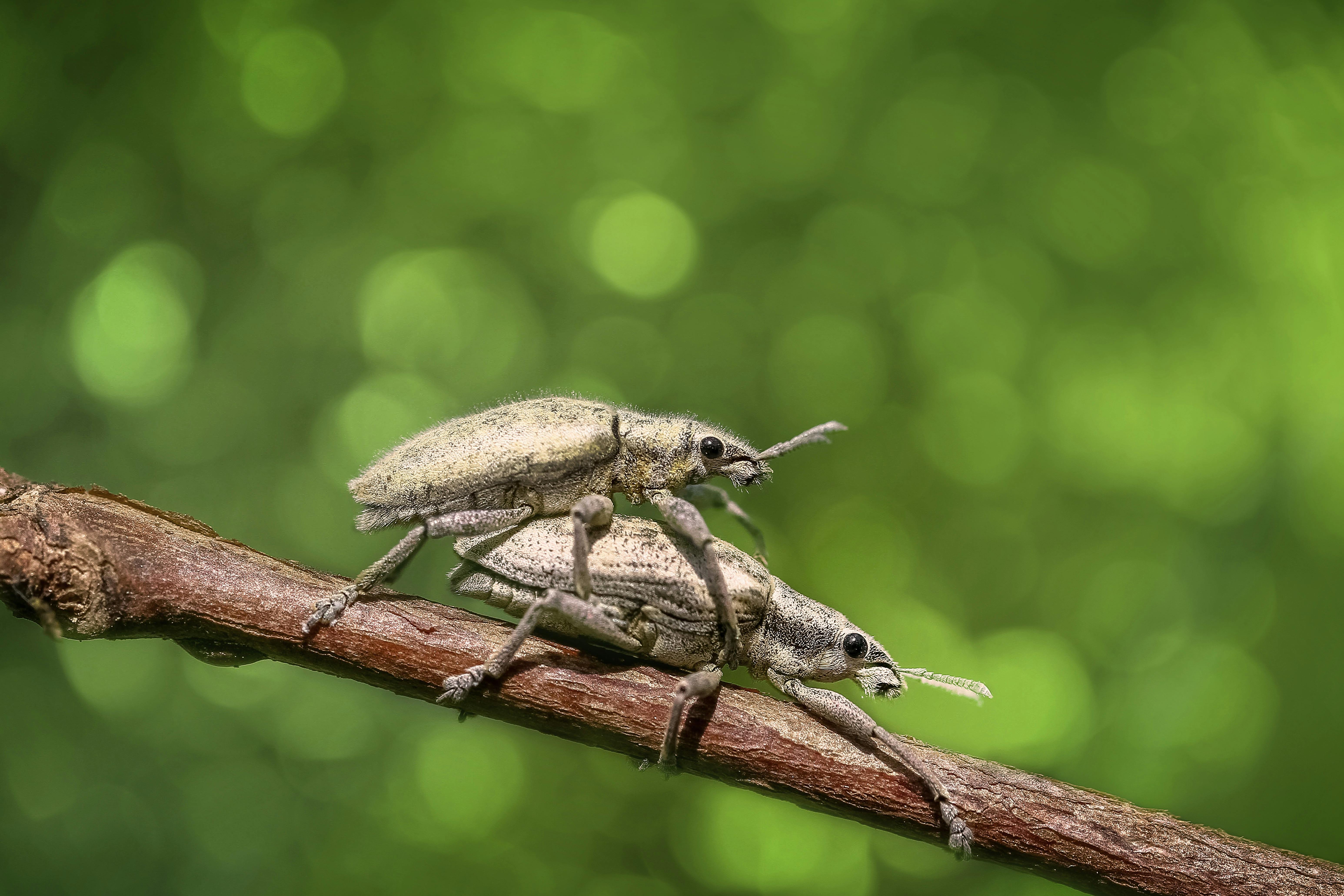
The telltale signs are there: tiny holes, ragged edges, a silvery sheen, or even whole sections of your precious indoor plant leaves disappearing overnight. You've got unwanted diners, and they’re feasting on your foliage! Dealing with bugs eating indoor plant leaves is frustrating, but identifying the culprit is the first step toward restoring your plants to their former glory.
Knowing what bugs are likely eating your indoor plant leaves empowers you to take swift action, preventing widespread damage and even the death of your beloved houseplants. The good news is that most indoor plant pests are relatively easy to control with a few simple, non-toxic methods. Successfully diagnosing and addressing these issues not only protects your plant investments but also contributes to a healthier, more vibrant indoor ecosystem.
Before you panic, grab a magnifying glass and examine your plant closely. Early detection is key!
Identifying What Bugs Eat Indoor Plant Leaves
The world of plant pests is diverse, but fortunately, only a handful commonly plague indoor plants. Identifying the specific pest munching on your plant is crucial for choosing the most effective treatment. Let's explore some of the usual suspects.
Aphids: Tiny Sap-Suckers
Aphids are small, pear-shaped insects that come in various colors, including green, black, brown, and even pink. They cluster on new growth, under leaves, and along stems, sucking sap and causing distorted leaves, stunted growth, and a sticky residue called honeydew.
Aphids love tender new growth. Check the undersides of leaves and around new shoots especially carefully. If you see a cluster of small insects and sticky residue, aphids are likely the culprits. A strong blast of water from the sink or shower can dislodge them. For larger infestations, insecticidal soap or neem oil are effective organic options.
Spider Mites: Web-Spinning Menaces
Spider mites are tiny, almost microscopic pests that suck sap from plant leaves. They’re often identified by the fine webbing they create between leaves and stems. Infested leaves may appear stippled, yellowed, or bronzed.
These pests thrive in dry conditions, so increasing humidity around your plants can help prevent infestations. Regularly misting your plants or placing them on a tray filled with pebbles and water can make a big difference. If you spot spider mites, treat your plants with insecticidal soap or neem oil, paying close attention to the undersides of the leaves.
Mealybugs: Cottony Pests
Mealybugs are soft-bodied insects covered in a white, cottony wax. They suck sap from plant leaves and stems, causing yellowing, distorted growth, and honeydew production. They often hide in leaf axils and other protected areas.
These pests are relatively easy to spot due to their distinctive appearance. Dab them with a cotton swab soaked in rubbing alcohol to kill them on contact. For larger infestations, apply insecticidal soap or neem oil, ensuring thorough coverage.
Fungus Gnats: Larvae That Feed on Roots
While adult fungus gnats are annoying, it's the larvae in the soil that cause problems by feeding on roots and decaying organic matter. This can lead to stunted growth, yellowing leaves, and even plant death, especially in seedlings. Although they don't directly eat the leaves, the damaged root system impacts the plant's overall health and leaf appearance.
Allowing the top inch or two of soil to dry out between waterings helps control fungus gnat larvae. You can also use sticky traps to catch adult gnats. For severe infestations, consider using a soil drench of Bacillus thuringiensis israelensis(Bti), a biological insecticide safe for plants and humans.
Scale Insects: Armored Sap-Suckers
Scale insects are small, immobile pests that attach themselves to plant stems and leaves, sucking sap. They are often covered in a hard, protective shell, making them difficult to control. They come in various shapes and colors, often resembling bumps or scales on the plant surface.
Scale insects can be challenging to eradicate. Scrape them off the plant with your fingernail or a cotton swab dipped in rubbing alcohol. For persistent infestations, apply horticultural oil, which suffocates the insects. Repeat treatments may be necessary.
Creating an Unwelcoming Environment for Bugs
Prevention is always better than cure. Here are some strategies to deter bugs from snacking on your indoor plants: Regular Inspection: Regularly inspect your plants for signs of pests. The sooner you catch an infestation, the easier it is to control. Quarantine New Plants: Before introducing a new plant to your collection, quarantine it for a few weeks to ensure it's pest-free. Proper Watering: Overwatering can create conditions favorable for some pests. Allow the soil to dry slightly between waterings. Good drainage is also important. Maintain Humidity: Many indoor plant pests thrive in dry conditions. Increase humidity around your plants by misting them regularly, using a humidifier, or placing them on a pebble tray filled with water. Keep Plants Clean: Dust and debris can attract pests. Wipe down plant leaves regularly with a damp cloth. Use Fresh Potting Mix: Avoid reusing old potting mix, which may harbor pests or diseases.
Natural Remedies for Garden Pests
When you discover bugs eating indoor plant leaves, reaching for a chemical insecticide might seem tempting, but there are plenty of safe and effective natural remedies you can try first.
Neem Oil: Neem oil is a natural insecticide derived from the neem tree. It disrupts the life cycle of many common plant pests. Mix neem oil with water according to the product instructions and spray thoroughly on all plant surfaces, including the undersides of leaves. Insecticidal Soap: Insecticidal soap is a gentle yet effective way to control soft-bodied pests like aphids, spider mites, and mealybugs. It works by disrupting the insect's cell membranes. Spray thoroughly, ensuring all plant surfaces are covered. Rubbing Alcohol: Rubbing alcohol is an effective spot treatment for mealybugs and scale insects. Dip a cotton swab in rubbing alcohol and dab it directly on the pests. Diatomaceous Earth (DE): Diatomaceous earth is a natural powder made from fossilized diatoms. It's abrasive to insects and can kill them by drying them out. Sprinkle DE around the base of your plants or dust it lightly on the leaves. Be sure to use food-grade DE. Homemade Garlic Spray:Garlic has insecticidal properties. To make a garlic spray, crush several cloves of garlic and steep them in water for 24 hours. Strain the mixture and spray it on your plants.
What are some signs of a bug infestation on indoor plants, other than visible bugs?
Look for sticky residue (honeydew), distorted or yellowing leaves, fine webbing, or small holes in the leaves. These are all common indicators of pest activity.
How often should I check my indoor plants for pests?
Ideally, check your plants at least once a week. A quick visual inspection can help you catch problems early before they become widespread.
What kind of soil helps prevent bug infestations?
Use a well-draining potting mix to prevent fungus gnats. Avoid overwatering, as soggy soil attracts these pests.
Are some plants more prone to bug infestations than others?
Yes, some plants, like ivies and ferns, are more susceptible to certain pests, such as spider mites. Regularly inspect these plants.
Can I use dish soap as an insecticidal soap?
While some people use diluted dish soap as an insecticidal soap, it's best to use a product specifically formulated for this purpose. Some dish soaps can damage plant leaves.
How do I prevent bringing pests into my home on new plants?
Quarantine new plants for at least two weeks in a separate area away from your other plants. Inspect them regularly for any signs of pests before introducing them to your collection.
Taking the time to identify and address the culprits munching on your indoor plants will not only save your precious foliage but also deepen your connection with your indoor garden. Start by closely examining your plants today. You might be surprised at what you discover – and how quickly you can solve the mystery of what bugs eat indoor plant leaves!

Post a Comment