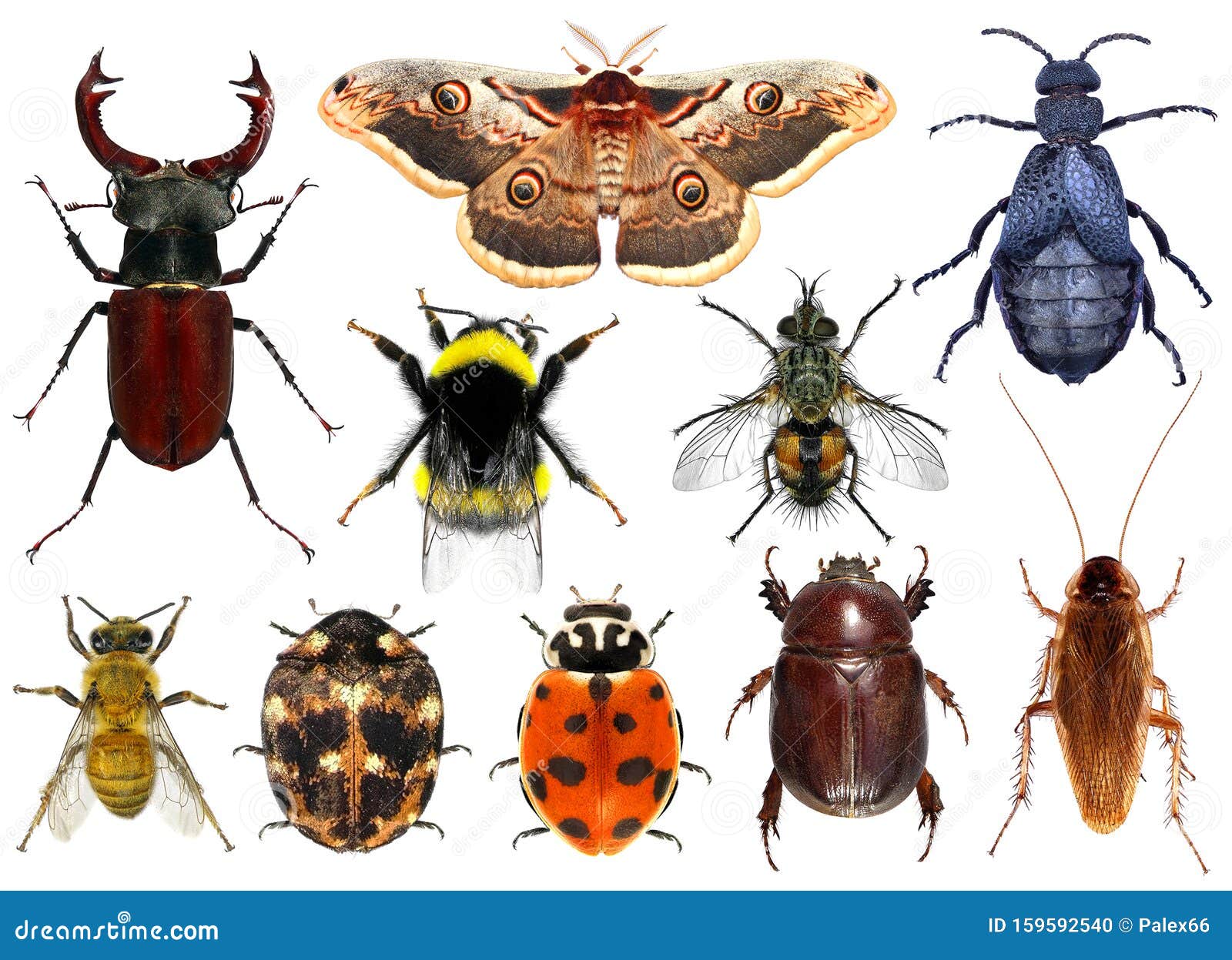
The first sign is often subtle: a slightly ragged leaf edge, a petal with a tiny hole. But then you look closer, and you realize something’s been munching on your prized flowering plants. Figuring outwhatinsects eat flowering plants is the first step toward saving your blooms – and enjoying the full beauty and bounty of your garden.
Knowing which insects are dining on your flowering plants is crucial for maintaining a healthy and productive garden, whether you’re growing vibrant petunias in hanging baskets or juicy tomatoes in a raised bed. Identifying the culprits allows you to implement targeted, effective, and often organic garden pest control methods to protect your plants, maximizing both their aesthetic appeal and your harvest. Plus, healthy flowering plants contribute to a thriving ecosystem by supporting pollinators. An indoor garden? Even more important to quickly identify and address before the infestation grows.
Here's a quick win: inspect your flowering plants closely this evening, especially the undersides of leaves, for any signs of insect activity. Early detection is your best defense!
Identifying Insects That Feast on Your Flowers
Flowering plants, with their vibrant colors and sweet nectar, are a magnet for a wide range of insects, some beneficial and others, well, not so much. It's important to distinguish between the two. Ladybugs, for instance, are voracious aphid predators and welcome guests, while aphids themselves are a common problem. Properly identifying which insects are causing the damage is the first step in choosing the right organic garden pest control strategy.
Here's a rundown of some of the usual suspects: Aphids: These tiny, pear-shaped insects come in various colors (green, black, even pink) and cluster on stems and undersides of leaves, sucking out plant sap. They secrete a sticky substance called honeydew, which can attract ants and lead to sooty mold. Caterpillars: The larval stage of butterflies and moths, caterpillars are voracious eaters, chewing on leaves, flowers, and even fruits. Different caterpillar species target different plants, so identification is key. Thrips: These slender, tiny insects feed on flowers and developing buds, causing distorted growth, discoloration, and premature flower drop. Japanese Beetles: With their metallic green bodies and copper-colored wings, Japanese beetles are easily recognizable. They skeletonize leaves, leaving behind a lacy appearance. Spider Mites:These tiny arachnids are difficult to see with the naked eye, but their presence is betrayed by fine webbing on leaves and stippled, yellowed foliage. They thrive in hot, dry conditions.
What are common signs of insect damage on flowering plants?
Look for telltale signs like chewed leaves, holes in petals, distorted growth, sticky residue (honeydew), webbing, and discoloration. Regularly inspect your plants, paying close attention to the undersides of leaves and around developing buds.
Protecting Your Flowering Plants: Organic Pest Control Strategies
Once you've identified the culprits munching on your flowers, it's time to take action. Fortunately, there are many safe and effective organic pest control methods you can use to protect your plants without resorting to harmful chemicals.
Here are a few tried-and-true strategies: Handpicking: For larger pests like caterpillars and Japanese beetles, handpicking can be surprisingly effective. Simply remove the insects from the plants and drop them into a bucket of soapy water. Insecticidal Soap: This is a broad-spectrum insecticide that's effective against aphids, spider mites, thrips, and other soft-bodied insects. Be sure to follow the directions carefully and apply it directly to the pests. Neem Oil: Another versatile organic insecticide, neem oil disrupts the life cycle of many insects. It can be used as a preventative measure or to treat existing infestations. Diatomaceous Earth (DE): This naturally occurring powder is made from fossilized algae. It's abrasive to insects and damages their exoskeletons, leading to dehydration and death. Sprinkle it around the base of your plants or dust it on the foliage. Companion Planting: Certain plants can repel insects or attract beneficial predators. Marigolds, for example, deter nematodes and aphids, while basil repels whiteflies and mosquitoes. Water Spray: A strong blast of water from the hose can dislodge aphids, spider mites, and other pests from your plants. Repeat this treatment every few days.
Are there natural remedies for garden pests that specifically target what insects eat flowering plants?
Yes, many! For example, planting nasturtiums can attract aphids away from your more prized blooms, acting as a trap crop. Garlic spray, made by blending garlic cloves with water, can deter many pests.
Creating a Thriving Garden Ecosystem
Beyond direct pest control, creating a healthy and balanced garden ecosystem can help prevent insect problems in the first place. Here's how: Healthy Soil:Healthy soil leads to healthy plants, which are better able to resist pests and diseases. Amend your soil with compost and other organic matter to improve its structure, drainage, and nutrient content. Aim for a slightly acidic to neutral p H, around 6.0 to
7.0. Proper Watering: Overwatering can create conditions that favor fungal diseases and attract pests, while underwatering can stress plants and make them more vulnerable. Water deeply but infrequently, allowing the soil to dry out slightly between waterings. Mulch around your plants to retain moisture and suppress weeds. Sunlight: Most flowering plants need at least six hours of sunlight per day. Make sure your plants are getting enough light to thrive. If growing indoors, consider using grow lights to supplement natural light, especially during the winter months. Position lights 6-12 inches above the plants and provide 14-16 hours of light per day. Crop Rotation: Avoid planting the same types of plants in the same spot year after year. This can build up pest and disease problems in the soil. Rotate your crops to break the cycle. Encourage Beneficial Insects: Attract beneficial insects to your garden by planting flowers that provide nectar and pollen. Some good choices include sunflowers, zinnias, and coneflowers. Avoid using broad-spectrum insecticides, which can kill beneficial insects as well as pests.
What about growing flowering plants in containers versus raised beds?
Containers offer more control over soil and drainage, which can help prevent disease and pest problems. Use a well-draining potting mix and ensure the container has drainage holes. Raised beds provide better drainage and aeration than in-ground planting, but they can also be more susceptible to pests. Regularly inspect both container and raised bed plants for signs of insect damage.
Seasonal Considerations
The types of insects that eat flowering plants can vary depending on the season and your geographic location. In the spring, aphids and caterpillars are often the first pests to appear. During the summer, Japanese beetles and spider mites can become more prevalent. And in the fall, squash bugs and other pests may be looking for a place to overwinter.
Pay attention to the specific pests that are common in your area and adjust your pest control strategies accordingly. In Florida, for example, the hot, humid climate can create ideal conditions for certain pests and diseases. In regions with short growing seasons, it's important to get a head start by starting seeds indoors and protecting young plants from frost. Frost dates also play a crucial role: use row covers to protect blooms from late spring frosts, which will also protect the plants from bugs.
FAQ
How do I get rid of aphids on my flowering plants naturally?
A strong blast of water from the hose can dislodge aphids. Insecticidal soap and neem oil are also effective organic treatments. Encourage ladybugs and other aphid predators to visit your garden.
What is the best way to prevent Japanese beetles from damaging my flowers?
Handpicking is effective for small infestations. Japanese beetle traps can also be used, but be sure to place them away from your prized plants to avoid attracting more beetles to your garden.
Can I use companion planting to protect my flowering plants from pests?
Yes, companion planting is a great way to deter pests naturally. Marigolds, basil, and garlic are all good choices for repelling insects.
Are spider mites insects?
No, spider mites are arachnids, more closely related to spiders than insects. However, they cause similar damage to plants and are often treated with similar pest control methods.
What type of soil is best for my flowering plants?
Most flowering plants prefer well-draining soil that is rich in organic matter. Amend your soil with compost and other organic materials to improve its structure and fertility.
How much sunlight do flowering plants need?
Most flowering plants need at least six hours of sunlight per day. Choose a location in your garden that provides plenty of sun, or supplement with grow lights if growing indoors.
Now is the time to take action! Arm yourself with knowledge, inspect your plants regularly, and implement those organic pest control strategies. By understanding what insects eat flowering plants and taking proactive steps to protect your blooms, you can enjoy a vibrant and thriving garden all season long.

Post a Comment