The sinking feeling is all too familiar: you’ve nurtured your tomato plants, patiently waited for the first signs of ripening, and then… something’s been feasting. Holes in the leaves, fruits half-eaten, and tiny culprits scurrying away. Discovering what insects eat garden vegetables, and learning how to protect your precious harvest, is crucial for any gardener who wants to enjoy the fruits (and vegetables!) of their labor.
Knowing exactlywhatis munching on your hard-earned produce is the first step to protecting it. Identifying the enemy allows you to choose the most effective and organic garden pest control strategies, preserving the flavor and yield of your vegetables. A healthy garden also avoids diseases spread by pests. Even if you're limited to a balcony container garden, these principles apply. Let’s get those unwelcome guests out of your salad!
Let’s start with a quick action: thoroughly inspect your plants, top and bottom of the leaves, in the early morning or late evening when many pests are most active. Note what you find!
Identifying the Culprits: What Insects Eat Garden Vegetables?
The insect world is vast, and not all insects are created equal – some are beneficial pollinators and predators, while others are the bane of a vegetable gardener's existence. Pinpointing the specific insects that are treating your garden like a buffet is essential for effective control. Understanding what insects eat garden vegetables is key to protecting your crops.
Common Leaf-Chewers
The most obvious damage often comes from insects that munch on leaves. These pests are easy to spot, leaving behind telltale holes and ragged edges.
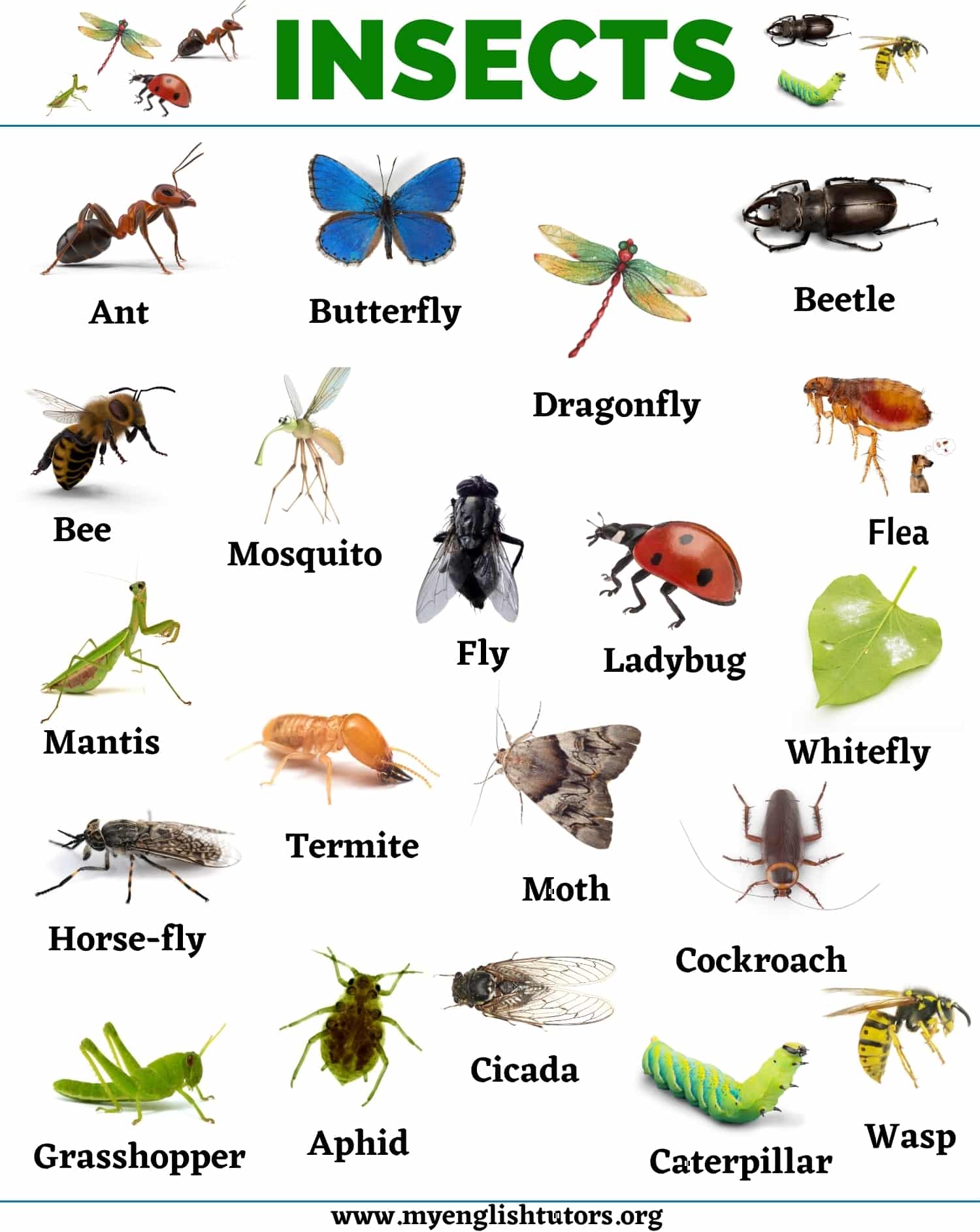
Cabbage White Butterflies (and their caterpillars): These common butterflies lay eggs that hatch into green caterpillars that devour brassicas like cabbage, broccoli, and kale. The butterflies are a beautiful sight, but their offspring are voracious! Flea Beetles: Tiny, jumping beetles that create small, round holes in leaves, particularly affecting eggplant, tomatoes, and peppers. Japanese Beetles: These metallic green beetles are notorious for skeletonizing leaves, leaving only the veins behind. They attack a wide range of vegetables and fruits. Slugs and Snails: While not technically insects, these mollusks can cause significant damage by chewing large, irregular holes in leaves and fruits, especially in damp conditions.
Sap-Suckers
These insects feed on plant sap, weakening the plant and often transmitting diseases. Their damage is less visually obvious than that of leaf-chewers, but can be just as devastating.
Aphids: Tiny, soft-bodied insects that cluster on stems and leaves, sucking sap and excreting a sticky substance called honeydew. Honeydew attracts ants and can lead to sooty mold growth. Whiteflies: Small, white, fly-like insects that feed on the undersides of leaves, causing yellowing and leaf drop. Spider Mites: Tiny, spider-like pests that suck sap and create fine webs on leaves. They thrive in hot, dry conditions. Squash Bugs: These brownish-black bugs feed on squash, pumpkins, and other cucurbits, causing wilting and eventually plant death.
Fruit and Root Feeders
Some insects go straight for the good stuff – the fruits and roots of your vegetables.
Tomato Hornworms: Large, green caterpillars with a distinctive horn on their rear end. They can quickly defoliate tomato plants and feed on the fruits. Corn Earworms: These caterpillars feed on corn silks and kernels, damaging the ears. Root Maggots:The larvae of certain flies that feed on the roots of brassicas, onions, and other vegetables, causing wilting and stunted growth.
Creating a Pest-Resistant Garden
Once you knowwhatinsects eat garden vegetables, you can take steps to make your garden less attractive to them. This involves a combination of cultural practices, natural remedies, and, as a last resort, organic insecticides.
Site and Soil: Choose a sunny location with well-draining soil. Most vegetables need at least 6-8 hours of sunlight per day. Soil p H should be in the range of 6.0-7.0. Amend heavy clay or sandy soil with compost to improve drainage and fertility. For container gardening, use a high-quality potting mix designed for vegetables. Raised beds offer excellent drainage and are easier to manage than in-ground gardens.
Watering Wisely: Water deeply and less frequently, rather than shallowly and often. This encourages deep root growth, making plants more resilient. Avoid overhead watering, which can create humid conditions that favor fungal diseases and attract pests. Mulch around plants to retain moisture and suppress weeds.
Companion Planting: Certain plants can repel pests or attract beneficial insects. Basil repels tomato hornworms and whiteflies, while marigolds deter nematodes and other soil pests. Avoid planting members of the same family in the same location year after year to prevent the buildup of soilborne diseases and pests.
Physical Barriers: Use row covers to protect seedlings and young plants from pests. These lightweight fabrics allow sunlight and water to penetrate while keeping insects out. Install netting around vulnerable crops like brassicas to prevent cabbage white butterflies from laying eggs.
Natural Remedies
Neem Oil: A broad-spectrum insecticide derived from the neem tree. It disrupts the life cycle of many pests, including aphids, whiteflies, and caterpillars. Insecticidal Soap: A soap-based spray that suffocates soft-bodied insects like aphids and spider mites. Diatomaceous Earth (DE): A natural powder made from fossilized diatoms. It's abrasive to insects and damages their exoskeletons. Be sure to use food-grade DE. Handpicking: For larger pests like tomato hornworms and Japanese beetles, simply pick them off the plants and drop them into a bucket of soapy water.
Attracting Beneficial Insects: Encourage natural predators like ladybugs, lacewings, and parasitic wasps by planting flowering plants that provide nectar and pollen. These beneficial insects will help control pest populations. Dill, fennel, and yarrow are excellent choices.
Specific Vegetable Problems and Solutions
Different vegetables attract different pests, so understanding the specific threats to your crops is essential.
Protecting Tomatoes
Tomato hornworms are a major threat. Regularly inspect your plants for these large caterpillars, and handpick them as needed. Aphids and whiteflies can also be problematic; treat them with insecticidal soap or neem oil. Blossom end rot, caused by calcium deficiency, can be prevented by maintaining consistent soil moisture and adding calcium-rich amendments like bone meal. Pruning suckers (the small shoots that grow between the main stem and branches) can improve air circulation and reduce the risk of disease. Determinate varieties are bushier and need less staking than indeterminate varieties, which can grow very tall.
Defending Brassicas
Cabbage white butterflies and their caterpillars are the biggest challenge. Use row covers to protect seedlings and young plants. Regularly inspect plants for eggs and caterpillars, and remove them by hand. Cabbage loopers, another type of caterpillar, can also cause damage. Floating row covers can be very effective.
Safeguarding Cucurbits
Squash bugs and squash vine borers are common pests. Squash bugs can be handpicked or treated with insecticidal soap. Squash vine borers lay eggs at the base of the plant; you can try injecting Bacillus thuringiensis (Bt) into the stem to kill the larvae. Powdery mildew, a fungal disease, can be prevented by providing good air circulation and avoiding overhead watering.
Dealing with Root Vegetables
Root maggots can be a problem for radishes, carrots, and turnips. Use row covers to prevent flies from laying eggs. Add beneficial nematodes to the soil to control root maggot populations.
Timing Your Harvest
Harvest vegetables at their peak ripeness for the best flavor. Tomatoes should be fully colored and slightly soft to the touch. Cucumbers should be firm and green. Root vegetables are ready when they reach the desired size. Knowing the harvest time for each type of vegetable is important for enjoying the fresh produce and avoiding attracting more pests.
Regional Considerations
In Florida, heat and humidity can exacerbate pest problems. Choose heat-tolerant varieties and provide shade during the hottest part of the day. In regions with short growing seasons, start seeds indoors to get a head start. Greenhouses can extend the growing season and protect plants from frost.
What Are Signs of Insect Damage on Vegetables?
Holes in leaves: Chewing insects like caterpillars and beetles.
Yellowing or stippling of leaves: Sap-sucking insects like aphids and spider mites.
Sticky residue on leaves: Aphids (honeydew).
Wilting plants: Root-feeding insects or squash vine borers.
Damaged or misshapen fruits: Fruit-feeding insects or slugs.
FAQ: Protecting Your Vegetable Garden
What is the best natural remedy for aphids?
Insecticidal soap is a very effective and safe way to control aphids. Mix a few tablespoons of liquid soap (not detergent) per gallon of water and spray thoroughly, making sure to cover the undersides of leaves where aphids tend to hide. Repeat applications may be needed.
How can I prevent squash vine borers?
Wrap the base of your squash plants with aluminum foil or nylon stockings to prevent the moths from laying eggs. You can also inject Bacillus thuringiensis (Bt) into the stems to kill the larvae if they've already hatched.
What are some plants that repel insects in the garden?
Many herbs and flowers have insect-repelling properties. Marigolds deter nematodes and other soil pests, basil repels tomato hornworms and whiteflies, and nasturtiums attract aphids away from other plants. Plant these around your vegetable garden for added protection.
Is diatomaceous earth safe for pets?
Food-grade diatomaceous earth (DE) is generally considered safe for pets, but it can be irritating to the lungs and eyes. Avoid inhaling the dust, and keep pets away from treated areas until the dust settles. Be sure you are usingfood-grade DE, not pool-grade DE.
How often should I apply neem oil?
Apply neem oil every 7-14 days, or as needed, depending on the severity of the pest infestation. It's best to apply neem oil in the evening to avoid burning the leaves in direct sunlight.
What's the best way to attract ladybugs to my garden?
Ladybugs are natural predators of aphids and other pests. Plant flowers like dill, fennel, and yarrow to provide them with nectar and pollen. You can also purchase ladybugs online or at garden centers, but make sure they have a food source and water available to encourage them to stay.
The battle against garden pests is an ongoing process, but with a little knowledge and effort, you can protect your vegetables and enjoy a bountiful harvest. Start by identifying which insects are eating your vegetables and try a companion planting this weekend!

Post a Comment