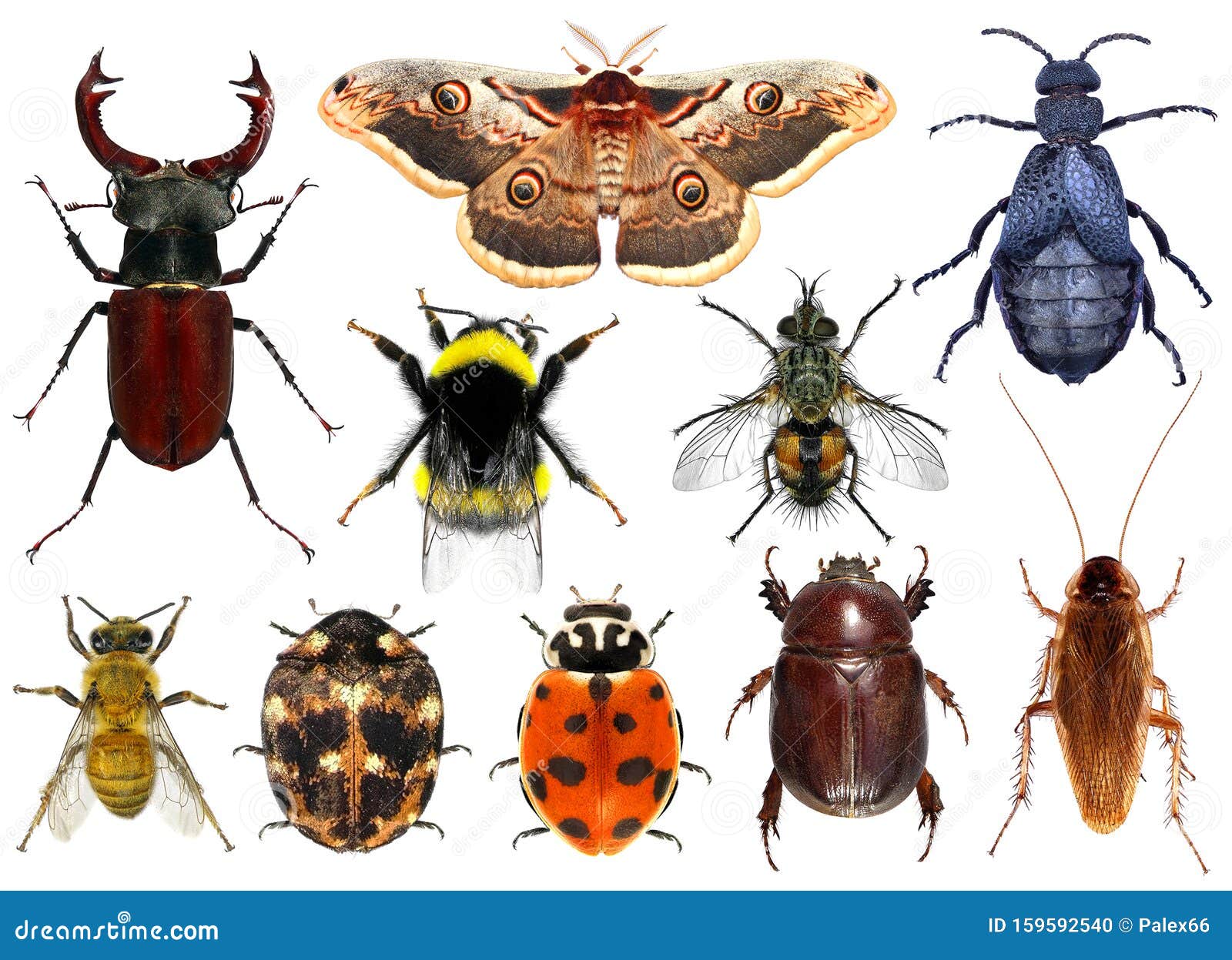
Is something munching on your precious greenhouse crops? Are leaves disappearing overnight, or are you finding mysterious holes where there weren't any before? The dream of a thriving, pest-free greenhouse can quickly turn into a nightmare if you don't understand what insects eat greenhouse plants and how to stop them.
Understanding what insects eat greenhouse plants is essential for protecting your investment of time, money, and effort. A healthy, productive greenhouse isn't just about aesthetics; it's about enjoying the delicious, homegrown flavors you've worked so hard to cultivate. Addressing pest problems early can prevent the spread of disease, maximize your yields, and ultimately, let you reap the rewards of your indoor growing space. You can even optimize for flavor by ensuring your plants receive proper nutrition and are free from stress caused by pests.
Ready to take control of your greenhouse and protect your plants? Start today by closely inspecting your plants, especially the undersides of leaves, for any signs of insect activity. Early detection is key!
Identifying the Culprits: What Insects Eat Greenhouse Plants?
Greenhouses, while offering a controlled environment, are not impenetrable fortresses against pests. In fact, the warm, humid conditions that plants love are often equally attractive to a variety of insects. Knowing what insects are likely to feast on your crops is the first step in protecting them.
Here are some of the most common offenders you might encounter: Aphids: These tiny, sap-sucking insects are notorious for their rapid reproduction. They come in various colors (green, black, brown, even pink!) and cluster on new growth, causing distorted leaves, sticky honeydew, and the potential spread of viruses. Whiteflies: Similar to aphids, whiteflies also suck sap and leave behind honeydew. As their name suggests, they are small, white, and fly around when disturbed. Look for them on the undersides of leaves. Spider Mites: Technically not insects, these tiny arachnids are incredibly destructive. They create fine webs on plants and cause stippling (tiny white or yellow spots) on leaves. They thrive in dry conditions. Thrips: These slender, fringed-winged insects feed on plant tissues, causing distorted flowers, silvery streaks on leaves, and stunted growth. Caterpillars: Various caterpillars, the larval stage of moths and butterflies, can munch on leaves, stems, and even fruits. Leaf Miners: These insects tunnel between the upper and lower surfaces of leaves, leaving behind distinctive trails. Scale Insects:These immobile insects attach themselves to stems and leaves, sucking sap. They often look like small bumps or scales.
Why are some insects more attracted to greenhouses?
The stable temperatures and humidity levels in a greenhouse create an ideal breeding ground for many insects. Additionally, the concentration of plants in a small area allows pests to easily move from one host to another, leading to rapid infestations. Lack of natural predators inside the greenhouse can also exacerbate the problem.
Prevention is Key: Creating a Pest-Resistant Greenhouse
The best defense against insects that eat greenhouse plants is a good offense. By taking preventative measures, you can minimize the risk of infestations and create a more resilient growing environment.
Inspect New Plants: Before introducing any new plants into your greenhouse, carefully inspect them for signs of pests. Quarantine new arrivals for a week or two to ensure they are pest-free. Maintain Good Hygiene: Regularly remove dead leaves and other plant debris from your greenhouse. These can harbor pests and diseases. Keep the floor clean and free of weeds. Ventilation is Vital: Proper ventilation helps to regulate temperature and humidity, creating a less favorable environment for many pests. Install vents or fans to ensure good air circulation. Use Insect Screening: Install insect screening over vents and doorways to prevent pests from entering the greenhouse in the first place. Sticky Traps: Yellow sticky traps are a simple and effective way to monitor for flying insects like aphids, whiteflies, and thrips. Hang them near your plants to catch pests early. Water Wisely: Avoid overwatering, as this can create humid conditions that attract pests. Water plants at the base to keep foliage dry. Healthy Soil, Healthy Plants: Provide your plants with the nutrients they need to thrive. Healthy plants are more resistant to pests and diseases. Use a well-draining potting mix and fertilize regularly. Companion Planting: Incorporate pest-repelling plants like marigolds, basil, and nasturtiums into your greenhouse. These plants can help to deter certain insects.
Organic and Natural Pest Control Methods
If you do find yourself battling insects in your greenhouse, there are many organic and natural methods you can use to control them.
Handpicking: For larger pests like caterpillars, simply pick them off your plants and dispose of them. This is especially effective in the early stages of an infestation. Water Spray: A strong blast of water from a hose can dislodge aphids, spider mites, and other small pests from your plants. Repeat this treatment regularly. Insecticidal Soap: Insecticidal soap is a safe and effective way to control aphids, whiteflies, spider mites, and other soft-bodied insects. Be sure to follow the directions on the label carefully. Neem Oil: Neem oil is a natural insecticide derived from the neem tree. It can be used to control a wide range of pests, including aphids, whiteflies, spider mites, thrips, and caterpillars. Dilute neem oil with water and spray it on your plants, making sure to coat all surfaces, including the undersides of leaves. Diatomaceous Earth (DE): Diatomaceous earth is a natural powder made from the fossilized remains of diatoms. It works by dehydrating insects that come into contact with it. Sprinkle DE around the base of your plants and on the leaves. Be sure to use food-grade DE. Beneficial Insects: Introduce beneficial insects like ladybugs, lacewings, and predatory mites into your greenhouse. These insects will prey on harmful pests, providing natural pest control. Homemade Garlic Spray:Garlic has insecticidal properties. Crush several cloves of garlic and steep them in water overnight. Strain the mixture and use it as a spray to repel pests.
What are the best natural remedies for garden pests on edible plants in a greenhouse?
For edible plants, prioritize food-safe options like insecticidal soap, neem oil (follow pre-harvest intervals), and diatomaceous earth. Regularly inspect your plants and handpick any pests you find. A strong water spray can also be effective for dislodging aphids and spider mites. Always wash your produce thoroughly before eating.
Maintaining a Healthy Greenhouse Environment
Beyond pest control, maintaining a healthy greenhouse environment is crucial for plant health and productivity. This includes providing adequate light, water, nutrients, and ventilation.
Light: Most greenhouse plants need at least six hours of sunlight per day. If you don't have enough natural light, you may need to supplement with grow lights. LEDs are a great energy-efficient option. Water: Water plants regularly, but avoid overwatering. Allow the soil to dry slightly between waterings. Check the soil moisture by sticking your finger into the soil. If it feels dry an inch or two down, it's time to water. Nutrients: Feed your plants regularly with a balanced fertilizer. Choose a fertilizer that is specifically formulated for the types of plants you are growing. Temperature: Maintain a consistent temperature in your greenhouse. Most plants thrive in temperatures between 65°F and 80°F during the day and 55°F and 65°F at night. Humidity:Monitor the humidity levels in your greenhouse. High humidity can promote fungal diseases, while low humidity can attract spider mites. Aim for a humidity level between 40% and 60%.
FAQ: Protecting Your Greenhouse Plants from Insects
How do I know if my greenhouse plants have pests?
Look for signs like holes in leaves, distorted or yellowing foliage, sticky residue (honeydew), webbing, and the presence of insects themselves. Inspect plants regularly, especially the undersides of leaves.
Can I use pesticides inside my greenhouse?
While you can, it's generally best to avoid harsh chemical pesticides inside a greenhouse. Opt for organic and natural pest control methods like insecticidal soap, neem oil, and beneficial insects to minimize harm to beneficial organisms and yourself.
What are some common mistakes people make when trying to control greenhouse pests?
Common mistakes include not identifying the pest correctly, applying treatments inconsistently, neglecting to address the root cause of the infestation (like poor ventilation), and relying solely on one method of control.
How often should I inspect my greenhouse plants for pests?
Ideally, you should inspect your plants at least once a week. The more frequently you check, the earlier you can catch problems and take action.
What role does soil health play in pest resistance?
Healthy soil provides plants with the nutrients they need to thrive and build strong defenses against pests and diseases. Use a high-quality potting mix, amend with compost, and fertilize regularly.
Are some plants more susceptible to certain pests?
Yes, some plants are more prone to specific pests. For example, tomatoes are often targeted by aphids and whiteflies, while cucumbers are susceptible to spider mites. Research the common pests associated with the plants you are growing.
Now that you have a comprehensive understanding of what insects eat greenhouse plants and how to combat them, you’re equipped to create a thriving, pest-free growing environment. Take action today: thoroughly inspect your plants, implement preventative measures, and be prepared to use organic pest control methods as needed. Your delicious homegrown harvest awaits!

Post a Comment