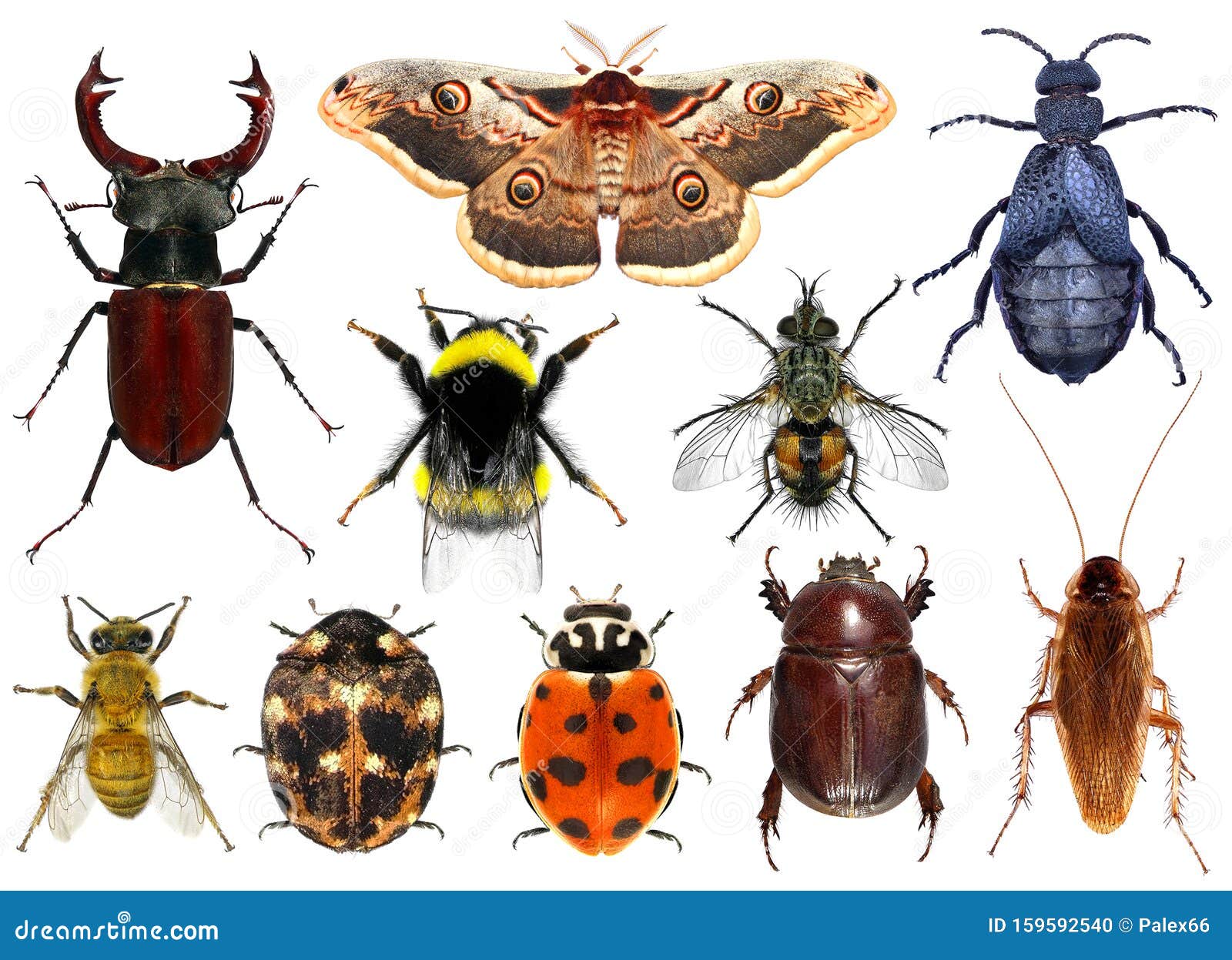
The first sign is often subtle: a few small holes in the leaves of your prize apple tree. But left unchecked, those tiny holes can turn into widespread defoliation, weakening the tree, reducing fruit production, and leaving it vulnerable to disease. Understanding what insects eat tree leaves is the first crucial step in protecting your valuable landscape investment.
Protecting our trees from hungry insects is about more than just aesthetics. Healthy trees provide shade, clean the air, and increase property value. A severe insect infestation can stunt growth, reduce fruit yield (if it’s a fruiting tree), and even kill a tree outright. Knowing which pests are common in your area and how to manage them organically is essential for long-term tree health. Plus, nobody wants to sit under a tree being rained on by…well, you get the picture!
A simple first step? Regularly inspect your trees' leaves, both top and bottom, for any signs of damage or insect presence. Early detection is key!
Identifying What Insects Eat Tree Leaves
It's not just one culprit; a whole host of insects find tree leaves delicious. Correctly identifying the type of insect causing the damage is essential for choosing the right control method. Let's explore some common offenders and the telltale signs they leave behind.
Different insects cause different types of damage. Chewing insects, like caterpillars and beetles, leave behind obvious holes and ragged edges. Sucking insects, such as aphids and mites, pierce the leaves and extract sap, causing stippling, discoloration, and sometimes leaf curling. Some insects, like leaf miners, tunnel within the leaf itself, creating distinctive patterns.
Common Leaf-Eating Insects and Their Damage
Caterpillars: These voracious eaters come in various shapes, sizes, and colors. They often leave behind irregular holes and skeletonized leaves, where only the veins remain. Look for frass (caterpillar droppings) as another sign of their presence. Different caterpillar species target different trees, so identification is key. Beetles: Many beetles, like Japanese beetles and leaf beetles, are notorious leaf eaters. Japanese beetles are particularly destructive, often skeletonizing leaves in large groups. Leaf beetles can cause small, round holes or notches in the leaves. Aphids: These tiny, pear-shaped insects suck sap from leaves, causing yellowing, curling, and stunted growth. They often congregate on the undersides of leaves and excrete honeydew, a sticky substance that attracts ants and promotes sooty mold growth. Leaf Miners: These insects are larvae that tunnel between the upper and lower surfaces of leaves, creating winding trails or blotches. The damage is mostly cosmetic but can weaken young trees.
Recognizing Different Types of Leaf Damage
Being able to recognize leaf damage is the first step in knowing what is eating your tree's leaves. Large, irregular holes often point to caterpillars or beetles. Small, uniform holes might indicate flea beetles. Stippled or discolored leaves are usually a sign of sucking insects like aphids or mites. Silvery trails on the leaves are a classic sign of leaf miners. Curled or distorted leaves can be caused by aphids, mites, or certain types of leaf-chewing insects.
Organic Control Methods for Leaf-Eating Insects
Fortunately, there are many effective organic methods for controlling insects that eat tree leaves. These methods are safe for your trees, the environment, and your family. The key is to choose the right method for the specific pest and to implement it consistently.
Handpicking: This is the simplest and most direct method for removing larger pests like caterpillars and Japanese beetles. Simply pluck them off the leaves and drop them into a bucket of soapy water. This method is most effective for small infestations.
Insecticidal Soap: Insecticidal soap is a natural and effective way to control soft-bodied insects like aphids, mites, and leafhoppers. It works by disrupting the insect's cell membranes, causing them to dehydrate and die. Apply insecticidal soap thoroughly, covering all parts of the affected leaves, especially the undersides. Be sure to follow the product's instructions carefully.
Neem Oil: Neem oil is a broad-spectrum insecticide and fungicide derived from the neem tree. It works by disrupting the insect's hormonal system, preventing it from feeding, growing, and reproducing. Neem oil is effective against a wide range of pests, including aphids, mites, caterpillars, and beetles. Apply neem oil as a foliar spray, making sure to coat all parts of the tree.
Bacillus thuringiensis (Bt): Bt is a naturally occurring bacterium that is toxic to certain caterpillars and other leaf-eating larvae. It works by paralyzing the insect's digestive system, causing it to stop feeding and die. Bt is a very specific insecticide, meaning it only affects certain types of insects and is safe for beneficial insects, birds, and mammals. Apply Bt as a foliar spray, making sure to cover all the leaves that the caterpillars are feeding on.
Attracting Beneficial Insects: Encouraging beneficial insects like ladybugs, lacewings, and parasitic wasps can help control leaf-eating pests. These beneficial insects prey on or parasitize the pests, keeping their populations in check. You can attract beneficial insects by planting flowers that provide them with nectar and pollen, such as sunflowers, cosmos, and dill.
Preventative Measures for Healthy Trees
Prevention is always better than cure. By taking proactive steps to keep your trees healthy, you can reduce their susceptibility to insect infestations.
Choose the Right Tree for Your Location: Selecting tree species that are well-suited to your climate and soil conditions is crucial. Healthy trees are better able to withstand pest infestations.
Maintain Healthy Soil: Healthy soil is the foundation of a healthy tree. Amend your soil with organic matter like compost and well-rotted manure to improve drainage, aeration, and nutrient availability. Perform a soil test to determine if your soil is lacking any essential nutrients. Most trees prefer a slightly acidic to neutral p H (around 6.0 to
7.0).
Water Properly: Water your trees deeply and regularly, especially during dry periods. Avoid overwatering, which can lead to root rot and make the trees more susceptible to pests and diseases. Use a soaker hose or drip irrigation system to deliver water directly to the root zone.
Prune Regularly: Prune your trees regularly to remove dead, damaged, or diseased branches. Proper pruning improves air circulation and sunlight penetration, which helps keep the trees healthy and reduces the risk of pest infestations. Prune during the dormant season (late winter or early spring) for most trees.
Monitor Your Trees Regularly: Inspect your trees regularly for any signs of pests or diseases. Early detection is key to preventing serious problems. Look for unusual leaf damage, discoloration, or insect activity.
FAQ About Tree Leaf Damage
What if I can't identify the insect eating my tree's leaves?
Take clear photos of the damage and any insects you find. Contact your local agricultural extension office or a certified arborist for help with identification and treatment recommendations.
Are there any trees that are naturally resistant to leaf-eating insects?
Yes, some tree species are naturally more resistant to certain pests than others. Research which trees are less susceptible to common pests in your area when choosing new trees for your landscape.
How often should I apply organic insecticides like neem oil?
Follow the product's instructions carefully. Generally, you'll need to reapply neem oil every 7-14 days, especially after rain. Insecticidal soap often needs more frequent application.
Will ladybugs completely eliminate aphids from my tree?
Ladybugs are excellent predators of aphids, but they may not completely eliminate them. It's best to use ladybugs as part of a comprehensive pest management strategy.
Can I use dish soap and water to make my own insecticidal soap?
While some gardeners do this, it's important to use a very mild dish soap (one without degreasers or fragrances) and test it on a small area of the plant first to avoid damaging the leaves. Commercial insecticidal soaps are often a safer and more reliable option.
Is it safe to eat fruit from a tree that has been treated with organic insecticides?
Yes, as long as you follow the product's pre-harvest interval (PHI) specified on the label. This is the amount of time that must pass between the last application and harvesting the fruit.
Protecting your trees from leaf-eating insects requires vigilance, knowledge, and a commitment to organic practices. Start by carefully examining your trees this week and identifying any signs of damage. Even a small action can make a big difference in the long-term health and beauty of your trees!

Post a Comment