Imagine the frustration: your prized indoor herb garden, promising fresh basil for pesto and mint for mojitos, suddenly looks… sad. Leaves are stippled, stems are sticky, and tiny creatures are having a feast. Learning how to protect indoor plants from bugs is crucial to enjoying the fruits (or herbs!) of your labor. A thriving indoor garden, free from pests, is within your reach!
Why should you care about protecting your indoor plants from bugs? Beyond the obvious aesthetic appeal, preventing infestations ensures healthier plants, improved yields (if you’re growing edibles), and prevents the spread of disease. Indoor plants, especially herbs and vegetables, offer fresh, flavorful ingredients year-round, bypassing grocery store produce. Plus, maintaining a pest-free environment indoors is simply more pleasant for you!
Here's a simple tip you can implement today: give your plants a good look over. Regularly inspect your plants, paying close attention to the undersides of leaves and around the stems. Early detection is key! A small infestation is much easier to manage than a widespread problem.
How to Protect Indoor Plants From Bugs: Prevention is Key
The best defense is a good offense when learning how to protect indoor plants from bugs. Start with healthy plants and a clean environment. Here’s a breakdown of key preventive measures: Source Healthy Plants: Purchase plants from reputable nurseries or garden centers. Inspect them thoroughly before bringing them home. Avoid plants that show signs of damage, discoloration, or pest activity. Quarantine New Arrivals: Before introducing a new plant to your existing collection, isolate it for 2-4 weeks. This allows you to monitor for any signs of pests without risking the rest of your indoor garden. Place the new plant in a separate room or area, away from your other plants. Use Clean Pots and Soil: Always use clean pots and fresh potting mix. Avoid using garden soil, as it may contain pests or diseases. Sterilizing used pots with a bleach solution (1 part bleach to 9 parts water) can help eliminate any lingering pathogens. Maintain Good Air Circulation: Stagnant air can create a breeding ground for pests and diseases. Ensure good air circulation around your plants by opening windows (weather permitting) or using a small fan. Water Properly: Overwatering can lead to root rot and other problems that weaken plants and make them more susceptible to pests. Allow the soil to dry slightly between waterings, and avoid letting plants sit in standing water. Clean Regularly: Dust and debris can accumulate on plant leaves, providing a habitat for pests. Regularly wipe down leaves with a damp cloth to keep them clean and healthy.
Choosing the Right Soil and Containers
The foundation of a healthy indoor garden lies in the soil and containers you choose. Opt for well-draining potting mix specifically formulated for indoor plants. This type of mix typically contains a blend of peat moss, perlite, and vermiculite, which provide good drainage and aeration. Avoid using garden soil, as it can compact and retain too much moisture.
For containers, choose pots with drainage holes to prevent waterlogging. The size of the pot should be appropriate for the size of the plant. As a general rule, a 5-gallon container is suitable for larger plants like tomatoes or peppers, while smaller plants like herbs can thrive in 1-gallon pots. Consider the material of the pot as well. Terracotta pots are porous and allow for good air circulation, while plastic pots retain moisture better.
Understanding Light, Temperature, and Humidity
Light, temperature, and humidity are crucial factors in creating a thriving indoor garden. Most indoor plants need at least 6 hours of sunlight per day. Place your plants near a sunny window, preferably one that faces south or east. If you don't have enough natural light, consider using grow lights. LED grow lights are energy-efficient and provide a full spectrum of light that plants need to grow.
Maintain a consistent temperature between 65-75°F (18-24°C). Avoid placing plants near drafts or heating vents, as these can cause temperature fluctuations. Humidity is also important, especially during the winter months when indoor air tends to be dry. Increase humidity by misting plants regularly, using a humidifier, or placing plants on a tray filled with water and pebbles.
How to Identify Common Indoor Plant Pests
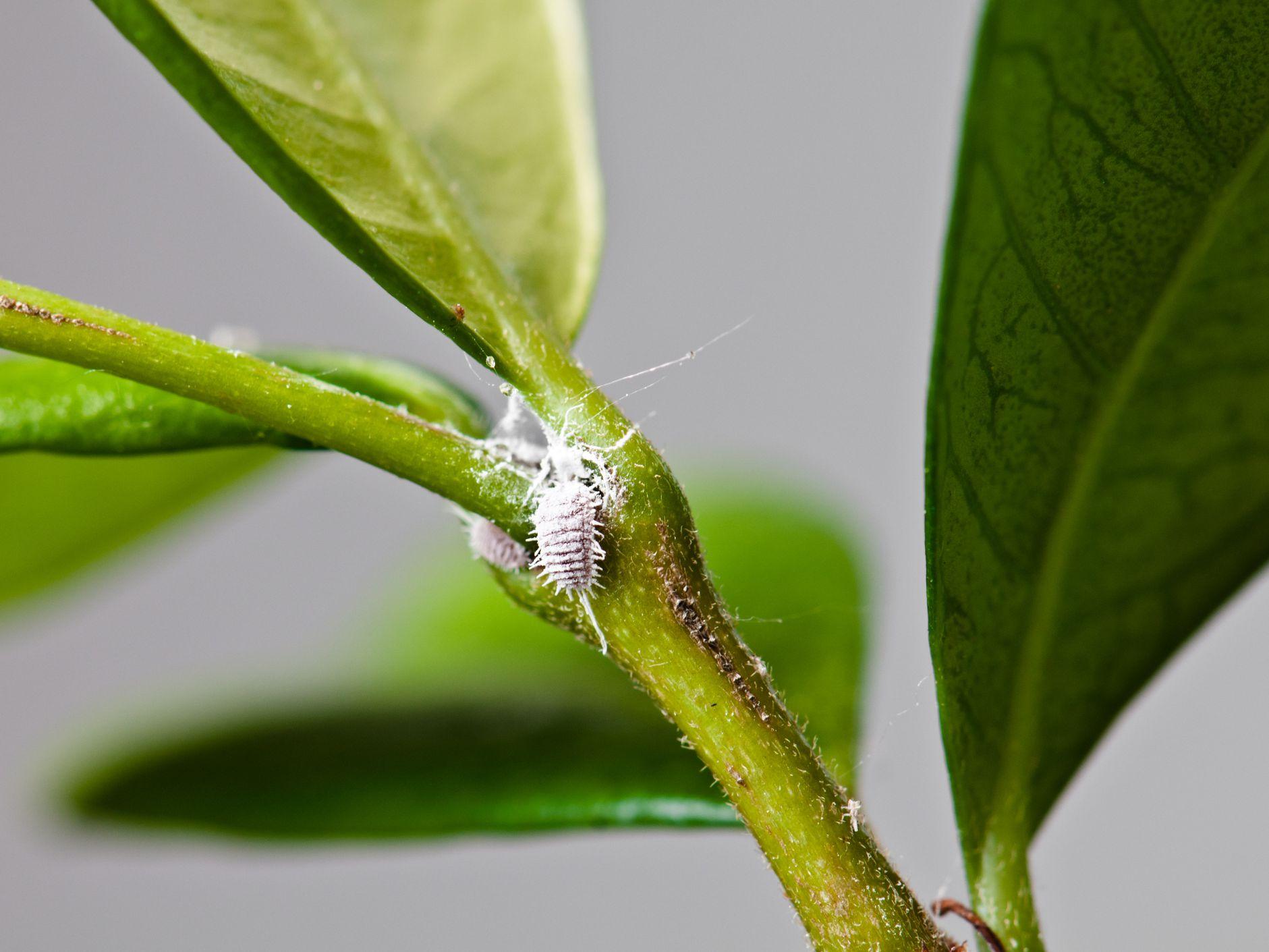
Learning to identify common indoor plant pests is crucial for effective control. Here are some of the most common culprits: Aphids: Tiny, soft-bodied insects that come in various colors (green, black, brown). They cluster on new growth and suck plant sap, causing distorted leaves and sticky honeydew. Spider Mites: Tiny arachnids that create fine webs on plants. They also suck plant sap, causing stippled leaves and reduced growth. You often need a magnifying glass to see them clearly. Mealybugs: White, cottony insects that cluster in leaf axils and on stems. They also suck plant sap, causing stunted growth and distorted leaves. Scale: Small, armored insects that attach themselves to stems and leaves. They come in various colors and shapes. Like other sap-sucking pests, they weaken plants. Fungus Gnats: Small, dark flies that hover around the soil surface. Their larvae feed on organic matter in the soil, and can damage plant roots. Thrips: Tiny, slender insects that feed on plant sap and pollen. They cause silvery streaks on leaves and distorted flowers.
Organic Pest Control Methods for Indoor Plants
When it comes to controlling pests on indoor plants, organic methods are often the safest and most effective option. These methods avoid harsh chemicals that can harm your plants and your health.
Insecticidal Soap: A readily available and effective treatment for aphids, spider mites, mealybugs, and other soft-bodied insects. Simply spray the affected plants thoroughly, making sure to cover all surfaces, including the undersides of leaves. Repeat the treatment every 7-10 days until the pests are gone. Neem Oil: A natural insecticide and fungicide derived from the neem tree. It can be used to control a wide range of pests and diseases. Mix neem oil with water according to the product instructions and spray the affected plants. Diatomaceous Earth (DE): A natural powder made from fossilized diatoms. It's effective against crawling insects like aphids, spider mites, and ants. Sprinkle DE around the base of your plants and on the leaves. Rubbing Alcohol: A simple and effective treatment for mealybugs and scale. Dip a cotton swab in rubbing alcohol and dab it directly onto the insects. Beneficial Insects:Introduce beneficial insects like ladybugs, lacewings, or predatory mites to your indoor garden. These insects will feed on pests and help keep them under control. You can purchase them online or at some garden centers.
Remember to always test any pest control method on a small area of the plant first to ensure it doesn't cause any damage. And always follow the product instructions carefully.
Natural Remedies for Common Garden Pests
Beyond the usual organic pest control products, many natural remedies can help you combat infestations: Garlic Spray: Mince 2-3 cloves of garlic and mix them with 1 quart of water. Let the mixture sit for 24 hours, then strain out the garlic and use the liquid as a spray. Chili Pepper Spray: Mix 1 tablespoon of chili powder with 1 quart of water. Let the mixture sit for 24 hours, then strain out the chili powder and use the liquid as a spray. Be careful not to get this spray in your eyes! Homemade Sticky Traps: Coat yellow index cards with petroleum jelly or honey to trap flying insects like fungus gnats and aphids. Vinegar Solution: Dilute white vinegar with water (1 part vinegar to 3 parts water) and use it to wipe down leaves infested with aphids or spider mites.
Creating a Pest-Resistant Environment
Ultimately, creating a pest-resistant environment is the most effective way to protect your indoor plants from bugs. This involves: Proper Watering: Avoid overwatering, which can create a favorable environment for fungus gnats and other pests. Good Air Circulation: Ensure good air circulation to prevent stagnant air and reduce humidity. Regular Cleaning: Clean up any fallen leaves or debris around your plants to prevent pests from breeding. Fertilizing Properly: Healthy, well-nourished plants are less susceptible to pests and diseases. Use a balanced fertilizer according to the product instructions. Companion Planting:Although limited indoors, certain herbs like basil can deter some pests when planted near other plants.
FAQ: How to Protect Indoor Plants From Bugs
Why do my indoor plants suddenly have bugs?
Bugs can hitchhike on new plants, enter through open windows, or even be carried in on your clothing. Poor plant health can also make them more susceptible.
Are spider mites harmful to my plants?
Yes, spider mites suck sap from plants, causing stippling, yellowing, and even death if left untreated. They can spread quickly, so early detection is essential.
How often should I spray my plants with insecticidal soap?
Generally, spray every 7-10 days until the pests are gone. Follow the product instructions carefully, and always test on a small area first.
Can I use dish soap to get rid of bugs on my plants?
Yes, but use it with caution. Mix a small amount (1-2 teaspoons) of mild, unscented dish soap with 1 quart of water. Test on a small area first, as some soaps can damage plants.
How do I get rid of fungus gnats in my indoor plants?
Allow the soil to dry out between waterings, use sticky traps to catch adults, and consider using a product containing Bacillus thuringiensis israelensis (Bti) to kill the larvae.
Is neem oil safe for all plants?
Neem oil is generally safe, but it's always a good idea to test it on a small area first, especially on delicate plants. Avoid using it in direct sunlight, as it can cause leaf burn.
Taking the time to learn how to protect indoor plants from bugs will pay off with vibrant, healthy plants that bring beauty and freshness into your home. Start with regular inspections and preventive measures. Even with the occasional pest issue, a proactive approach and simple organic solutions can keep your indoor garden thriving for years to come. Go check on your plants now!

Post a Comment