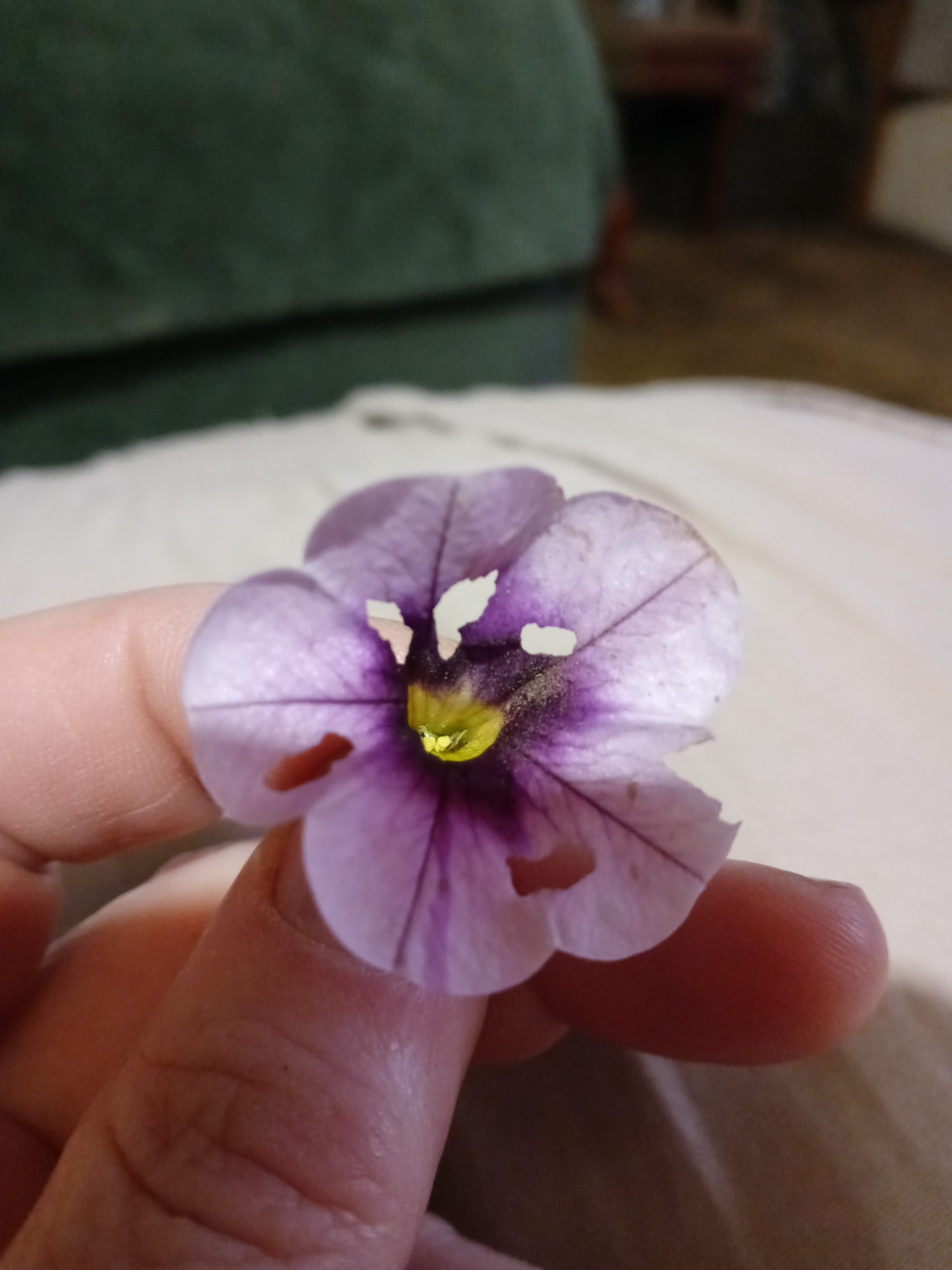
That sinking feeling when you stroll into your garden in the morning, anticipating a bountiful harvest, only to find leaves riddled with holes and entire plants seemingly vanished overnight… it’s a gardener’s worst nightmare. The culprit is often a sneaky nocturnal visitor enjoying an unscheduled all-you-can-eat buffet at your expense. Identifying the culprit is half the battle in reclaiming your precious produce.
Understanding what’s eating your garden plants overnight is crucial for protecting your investment, enjoying the fruits (and vegetables!) of your labor, and preventing diseases that can spread quickly through weakened plants. Think of it this way: healthy, undamaged plants are far more resistant to disease. Plus, nothing beats the taste of homegrown vegetables, unmarred by pests. Even if you’re limited to a small balcony, these strategies will help you safeguard your container garden.
One incredibly easy thing you can dotodayis head out to your garden with a flashlightafter dark. This will give you a chance to catch the culprits in the act and get a head start on identifying what's eating your garden plants overnight!
Identifying the Culprits: What’s Eating My Garden Plants Overnight?
Identifying the specific pest is essential for effective control. Different pests require different approaches, and misidentification can lead to wasted time and ineffective treatments.
Let’s break down the usual suspects: Slugs and Snails:These slimy creatures are notorious for leaving large, irregular holes in leaves. They thrive in damp environments, so they are especially active after rain or heavy dew. Look for telltale slime trails on leaves and surrounding surfaces. They can decimate entire seedlings overnight.
Caterpillars: Many species of caterpillars feed at night, chewing on leaves and leaving behind droppings (frass). Inspect plants carefully for caterpillars hiding under leaves or camouflaged on stems. Tomato hornworms are a common example, and they can strip a tomato plant bare in a matter of days.
Cutworms: These soil-dwelling caterpillars are particularly damaging to young plants. They often sever stems at the soil line, causing seedlings to topple over and die. They are most active at night and hide in the soil during the day.
Earwigs: These nocturnal insects have distinctive pincers at the end of their abdomen. They feed on leaves, flowers, and fruits, creating irregular holes and sometimes damaging entire plants.
Beetles: Some beetles, such as Japanese beetles and cucumber beetles, feed at night as well as during the day. They chew on leaves, leaving behind skeletonized foliage or large, ragged holes.
Deer and Rabbits: While not insects, these larger animals can cause significant damage overnight, especially to leafy greens and young trees. Look for signs of their presence, such as tracks, droppings, and neatly clipped stems.
What are some common signs that something is eating my plants at night?
Look for irregular holes in leaves, missing leaves, severed stems (especially in seedlings), slime trails (indicating slugs or snails), and droppings (frass from caterpillars). Early morning is a great time to investigate, before the evidence fades.
Do all pests cause the same kind of damage?
No, different pests cause different types of damage. Slugs and snails leave large, irregular holes; caterpillars chew on leaves and leave droppings; cutworms sever stems; and beetles skeletonize foliage or create ragged holes. Examining the damage closely can help you identify the specific pest.
Creating a Pest-Resistant Garden
Creating a healthy and resilient garden is the best defense against pests. Healthy plants are better able to withstand pest damage and recover quickly.
Sunlight: Most vegetables need at least 6-8 hours of sunlight per day. Insufficient sunlight weakens plants and makes them more susceptible to pests and diseases. Leafy greens can tolerate partial shade, especially in hot climates.
Soil: Well-draining soil is essential for healthy root growth. Amend heavy clay soils with compost and other organic matter to improve drainage and aeration. Aim for a soil p H of 6.0 to
7.0, which is suitable for most vegetables.
Watering: Water deeply and less frequently, allowing the soil to dry out slightly between waterings. Avoid overhead watering, which can create a humid environment that favors fungal diseases. Mulch around plants to help retain moisture and suppress weeds. Blossom end rot, a common problem in tomatoes, is often caused by inconsistent watering.
Fertilizing: Provide plants with the nutrients they need to thrive. Use a balanced fertilizer or amend the soil with compost and other organic matter. Slow-release fertilizers are a good option for providing a steady supply of nutrients. You can also supplement with liquid fertilizers as needed. An N-P-K ratio of 10-10-10 is a good starting point for general vegetable gardening.
Crop Rotation: Rotate crops each year to prevent the buildup of soilborne pests and diseases. Avoid planting the same family of plants in the same location for at least three years. For example, don't plant tomatoes where you grew potatoes last year.
Organic Garden Pest Control: Natural Remedies for Garden Pests
When pests do strike, there are many organic and natural remedies you can use to control them without harming beneficial insects or contaminating your produce.
Handpicking: One of the simplest and most effective methods for controlling many pests is to handpick them off plants. Do this early in the morning or in the evening when pests are most active. Drop them into a bucket of soapy water to kill them.
Diatomaceous Earth (DE): This natural powder is made from fossilized diatoms. It is abrasive to insects and damages their exoskeletons, causing them to dehydrate and die. Sprinkle DE around plants or directly onto pests. Be sure to use food-grade DE. Reapply after rain.
Neem Oil: This natural oil is extracted from the neem tree. It is a broad-spectrum insecticide that can control a wide range of pests, including aphids, caterpillars, and beetles. Mix neem oil with water and spray it onto plants, following the instructions on the label.
Insecticidal Soap: This soap-based spray disrupts the cell membranes of insects, causing them to dehydrate and die. It is effective against soft-bodied insects such as aphids, whiteflies, and spider mites. Be sure to use insecticidal soap, not dish soap, which can damage plants.
Bacillus Thuringiensis (Bt): This naturally occurring bacterium is toxic to caterpillars. It is available in liquid or powder form and can be sprayed onto plants. Bt is safe for humans, pets, and beneficial insects.
Companion Planting: Plant beneficial herbs and flowers near your vegetables to attract beneficial insects that prey on pests. Basil and marigolds are known to repel many pests, while dill and fennel attract beneficial insects such as ladybugs and lacewings. Avoid planting allelopathic plants (e.g., black walnut trees) near your vegetable garden, as they can inhibit the growth of other plants.
Barriers: Use physical barriers such as row covers, netting, or fences to protect plants from pests. Row covers are particularly effective for preventing cutworms from attacking seedlings. Copper tape around raised beds can deter slugs and snails.
Should I use pesticides to protect my plants?
Consider organic options first! Pesticides, even organic ones, can harm beneficial insects. Handpicking, diatomaceous earth, neem oil, and insecticidal soap are often effective and less harmful to the environment.
How do I get rid of slugs and snails naturally?
Try beer traps (bury a container filled with beer; slugs are attracted to it and drown), copper tape around plant containers, diatomaceous earth, or handpicking at night with a flashlight.
Is it safe to eat vegetables that have been sprayed with neem oil?
Yes, neem oil is considered safe for consumption after a waiting period (usually a few days). Always follow the instructions on the label for application and waiting times. Wash vegetables thoroughly before eating.
Containers vs. Raised Beds vs. Ground
The choice of planting method depends on your space, soil conditions, and personal preferences.
Containers: Containers are ideal for small spaces such as balconies or patios. They also allow you to control the soil and drainage. Choose containers that are large enough for the plants you want to grow. For example, a 5-gallon bucket is a good size for a single tomato plant. Ensure containers have drainage holes to prevent waterlogging. Use a high-quality potting mix that drains well.
Raised Beds: Raised beds offer several advantages, including improved drainage, warmer soil, and easier access. They are a good option for areas with poor soil or where digging is difficult. Build raised beds from wood, concrete blocks, or other materials. Fill them with a mix of topsoil, compost, and other organic matter.
Ground: Planting directly in the ground is the most traditional method. It is best suited for areas with good soil and drainage. Amend the soil with compost and other organic matter to improve its fertility and structure. Be sure to test the soil p H and adjust it as needed.
Light for Indoor Growing
If you are starting seeds indoors or growing plants indoors year-round, you will need to provide them with adequate light.
Window Light: A sunny south-facing window can provide enough light for some plants, especially leafy greens and herbs. However, most vegetables need more light than a window can provide.
Grow Lights: Grow lights provide a consistent and reliable source of light for indoor plants. LED grow lights are energy-efficient and produce very little heat. Place grow lights close to the plants (usually 6-12 inches) and provide 14-16 hours of light per day.
Planting and Growing Tips
Planting Depth: Follow the instructions on the seed packet or plant label for planting depth. Generally, seeds should be planted at a depth that is two to three times their diameter.
Spacing: Space plants according to their mature size. Overcrowding can lead to poor air circulation and increased pest and disease problems.
Staking/Trellising: Provide support for vining plants such as tomatoes, cucumbers, and beans. Use stakes, trellises, or cages to keep plants upright and prevent them from sprawling on the ground. Determinate tomato varieties are bush-type and don't require as much support, while indeterminate varieties continue to grow and produce fruit throughout the season and benefit from staking. Prune suckers (the shoots that grow between the main stem and branches) on indeterminate tomato varieties to improve air circulation and fruit production.
Harvest Timing and Flavor Tips
Harvest vegetables at their peak ripeness for the best flavor. Color, feel, and variety characteristics all indicate when a vegetable is ripe. Tomatoes should be fully colored and slightly soft to the touch. Cucumbers should be firm and dark green. Leafy greens can be harvested when they are large enough to eat.
What should I do if my tomato leaves are being eaten at night?
Tomato hornworms are a common culprit. They're large green caterpillars that can quickly defoliate a tomato plant. Inspect your plants carefully, especially at night with a flashlight, and handpick any hornworms you find. Bt (Bacillus thuringiensis) is also an effective treatment.
Regional and Seasonal Notes
In regions with short growing seasons, start seeds indoors several weeks before the last frost. In hot climates, provide shade for plants during the hottest part of the day. Consider using a greenhouse or cold frame to extend the growing season.
Now that you're armed with knowledge about what's eating your garden plants overnight and how to combat them, take action! Tonight, grab that flashlight and head out for a nocturnal garden patrol. You might be surprised at what you find, and even more pleased when you successfully protect your precious plants.

Post a Comment