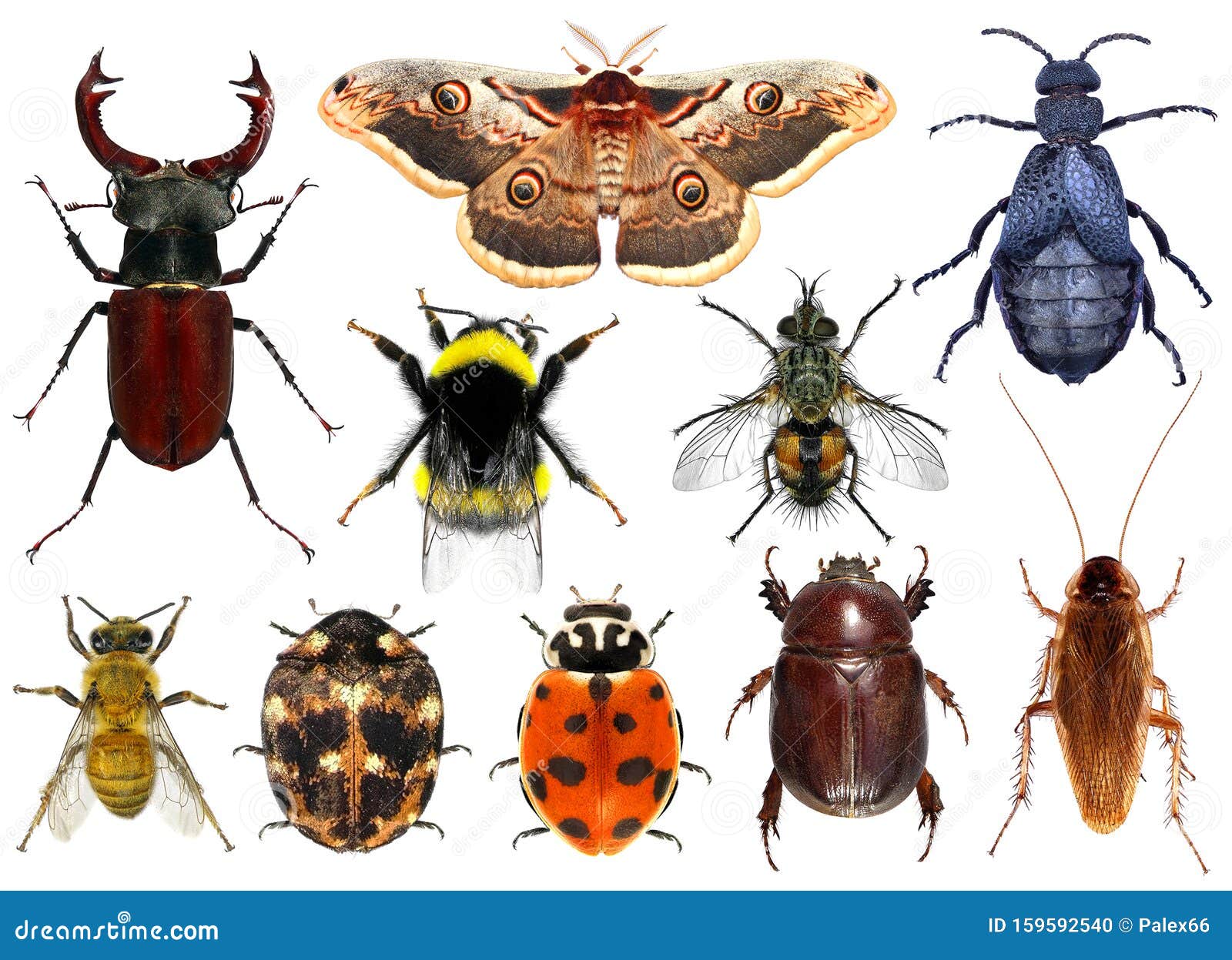
Have you ever walked through your garden, anticipating a bounty of berries from your blueberry bushes or a stunning floral display from your hydrangeas, only to find the leaves riddled with holes, stems stripped bare, or the entire plant looking generally distressed? It’s a frustrating experience all gardeners face: the unwelcome discovery of hungry insects feasting on your prized shrubs and bushes. Identifying the culprits and understanding their feeding habits is the first step in reclaiming your garden and ensuring a thriving landscape.
Why does it matter so much when insects decide to make a buffet out of our shrubs and bushes? Well, beyond the purely aesthetic damage, these tiny invaders can severely impact plant health and productivity. Heavy infestations can weaken plants, making them susceptible to diseases, reducing flowering and fruiting, or even killing them outright. Protecting your shrubs and bushes from these pests not only preserves their beauty but also ensures a healthy ecosystem in your backyard. Choosing organic garden pest control methods keeps your plants safe for consumption.
Today's quick tip: Regularly inspect your shrubs and bushes, especially the undersides of leaves, for early signs of insect activity. A magnifying glass can be very helpful! Catching infestations early makes them much easier to manage.
Identifying What Insects Eat Shrubs and Bushes
The world of insects is vast and varied, and knowing which ones are most likely to target your shrubs and bushes is crucial for effective pest management. Different insects have different feeding preferences and cause distinct types of damage, so proper identification is key.
Common Culprits: Leaf-Chewing Insects
Many insects feed by chewing on leaves, creating holes, notches, or completely defoliating plants. Some of the most common leaf-chewers include: Caterpillars: The larvae of moths and butterflies, caterpillars are voracious eaters. They can quickly strip leaves from shrubs and bushes. Look for telltale signs like frass (caterpillar droppings) and silk webbing. Japanese Beetles: These metallic green beetles are notorious for their skeletonizing feeding habits, leaving behind a lacy appearance on leaves. They often congregate in large numbers, causing significant damage. Leaf Miners: These tiny larvae tunnel within leaves, creating distinctive trails or blotches. While they don't typically kill plants, they can weaken them and make them unsightly. Sawfly Larvae: Resembling caterpillars, sawfly larvae are actually the larvae of a type of wasp. They also chew on leaves and can cause defoliation.
Sucking Insects and Their Damage
Other insects feed by sucking sap from plants, causing different types of damage. These include: Aphids: These small, soft-bodied insects cluster on stems and leaves, sucking sap and excreting honeydew, a sticky substance that attracts ants and promotes sooty mold growth. Scale Insects: These insects are covered in a protective shell or scale, making them appear as small bumps on stems and leaves. They suck sap and can weaken plants significantly. Spider Mites: Tiny spider-like creatures that suck sap from leaves, causing stippling (small, light-colored spots) and eventual leaf drop. They thrive in hot, dry conditions. Whiteflies: Small, white, fly-like insects that suck sap from leaves. They are often found in large numbers and can cause yellowing and stunted growth.
Borers: Hidden Damage from Within
Borers are insects that tunnel into the stems and trunks of shrubs and bushes, causing internal damage that can be difficult to detect until it's severe. Signs of borer infestation include:
Small holes in the bark
Frass (insect droppings) near the holes
Wilting or dieback of branches
Overall decline in plant health
Protecting Your Shrubs and Bushes: Organic Strategies
Once you've identified the insects that are attacking your shrubs and bushes, you can implement effective organic pest control strategies. There are numerous ways to protect vegetable plants organically. Here are some of my favorite approaches: Handpicking: For larger insects like caterpillars and Japanese beetles, handpicking them off plants and dropping them into a bucket of soapy water can be surprisingly effective, especially for small infestations. This is great natural remedies for garden pests, ensuring your garden stays healthy without harming beneficial insects. Water Spray: A strong blast of water from a hose can dislodge aphids, spider mites, and other small insects. Repeat this treatment regularly to keep populations under control. Insecticidal Soap: This is a safe and effective option for controlling aphids, spider mites, whiteflies, and other soft-bodied insects. Be sure to follow the instructions on the label and apply thoroughly, covering all plant surfaces. Neem Oil: Neem oil is a natural insecticide and fungicide that can control a wide range of pests and diseases. It works by disrupting the insect's life cycle and can also help to prevent fungal infections. Again, follow label instructions carefully. Diatomaceous Earth (DE): This is a powder made from fossilized algae that is harmless to humans and pets but deadly to insects with exoskeletons. Sprinkle DE around the base of plants or dust it onto leaves to control crawling insects like slugs and snails. Companion Planting: Planting certain herbs and flowers alongside your shrubs and bushes can help to repel pests. For example, marigolds are known to repel nematodes and whiteflies, while basil can repel aphids. Attract Beneficial Insects:Encourage beneficial insects like ladybugs, lacewings, and parasitic wasps to your garden by planting flowers that provide nectar and pollen. These beneficial insects will prey on many of the pests that attack your shrubs and bushes.
Creating a Healthy Environment for Your Shrubs and Bushes
A healthy plant is better able to withstand insect attacks. Make sure your shrubs and bushes are planted in well-drained soil, receive adequate sunlight, and are properly watered and fertilized.
Soil Health: Improve soil health by adding organic matter like compost or well-rotted manure. Healthy soil supports healthy plants, making them less susceptible to pests and diseases. Watering Practices: Water deeply and infrequently, rather than shallowly and frequently. This encourages deep root growth and makes plants more drought-tolerant. Fertilizing: Fertilize shrubs and bushes according to their specific needs. Avoid over-fertilizing, as this can make plants more attractive to certain pests. Pruning: Prune shrubs and bushes regularly to improve air circulation and remove dead or diseased branches. This can help to prevent pest and disease problems.
Addressing Specific Insect Problems
Certain shrubs and bushes are more susceptible to specific insect pests. For example, roses are often targeted by aphids and Japanese beetles, while boxwoods are prone to boxwood leafminer infestations. Knowing the common pests of your specific plants can help you to be proactive in your pest management efforts.
Preventative Measures to Keep Insects Away
Prevention is always better than cure when it comes to pest control. Here are some proactive measures you can take to keep insects away from your shrubs and bushes: Choose Resistant Varieties: When selecting shrubs and bushes for your garden, choose varieties that are known to be resistant to common pests and diseases. Inspect Plants Regularly: Regularly inspect your plants for early signs of insect activity. The sooner you detect a problem, the easier it will be to control. Maintain Good Sanitation: Remove fallen leaves and other debris from around your plants to eliminate hiding places for pests. Use Row Covers: Cover vulnerable plants with row covers to prevent insects from accessing them. Monitor for Egg Masses:Check stems and the undersides of leaves for insect egg masses and remove them promptly.
Frequently Asked Questions about Insects Eating Shrubs and Bushes
What are the first signs that insects are eating my shrubs?
Look for holes in leaves, skeletonized leaves (only the veins remain), yellowing or stippling of leaves, sticky honeydew on leaves and stems, or the presence of insects themselves. Early detection is key to managing infestations.
How can I tell the difference between damage from chewing insects and sucking insects?
Chewing insects leave behind visible holes or missing sections of leaves. Sucking insects, on the other hand, cause stippling (small spots), yellowing, or distortion of leaves. They may also leave behind sticky honeydew.
Is neem oil safe for all plants?
While neem oil is generally safe, it's always best to test it on a small area of the plant first to ensure it doesn't cause any adverse reactions. Avoid applying neem oil in direct sunlight or when temperatures are very high, as this can cause leaf burn.
What if I can't identify the insect that's eating my shrubs?
Take a close-up photo of the insect and the damage it's causing and consult with your local garden center or extension office. They can help you identify the pest and recommend appropriate control measures.
Are there certain plants that naturally repel insects?
Yes! Marigolds, basil, lavender, and garlic are just a few examples of plants that can help to repel insects. Incorporating these plants into your garden can create a natural barrier against pests.
How often should I apply insecticidal soap?
The frequency of application will depend on the severity of the infestation and the instructions on the product label. Generally, you'll need to apply insecticidal soap every 7-10 days until the pests are under control.
Now that you're armed with the knowledge of what insects eat shrubs and bushes and how to combat them organically, take a walk through your garden today. Keep an eye out for any signs of insect damage, and start implementing these strategies to protect your plants. Your shrubs and bushes will thank you!

Post a Comment